Location: Crowthorne, Berkshire, UK
Date of Visit: 12th June 2026
Explored with TrevBish
Introduction
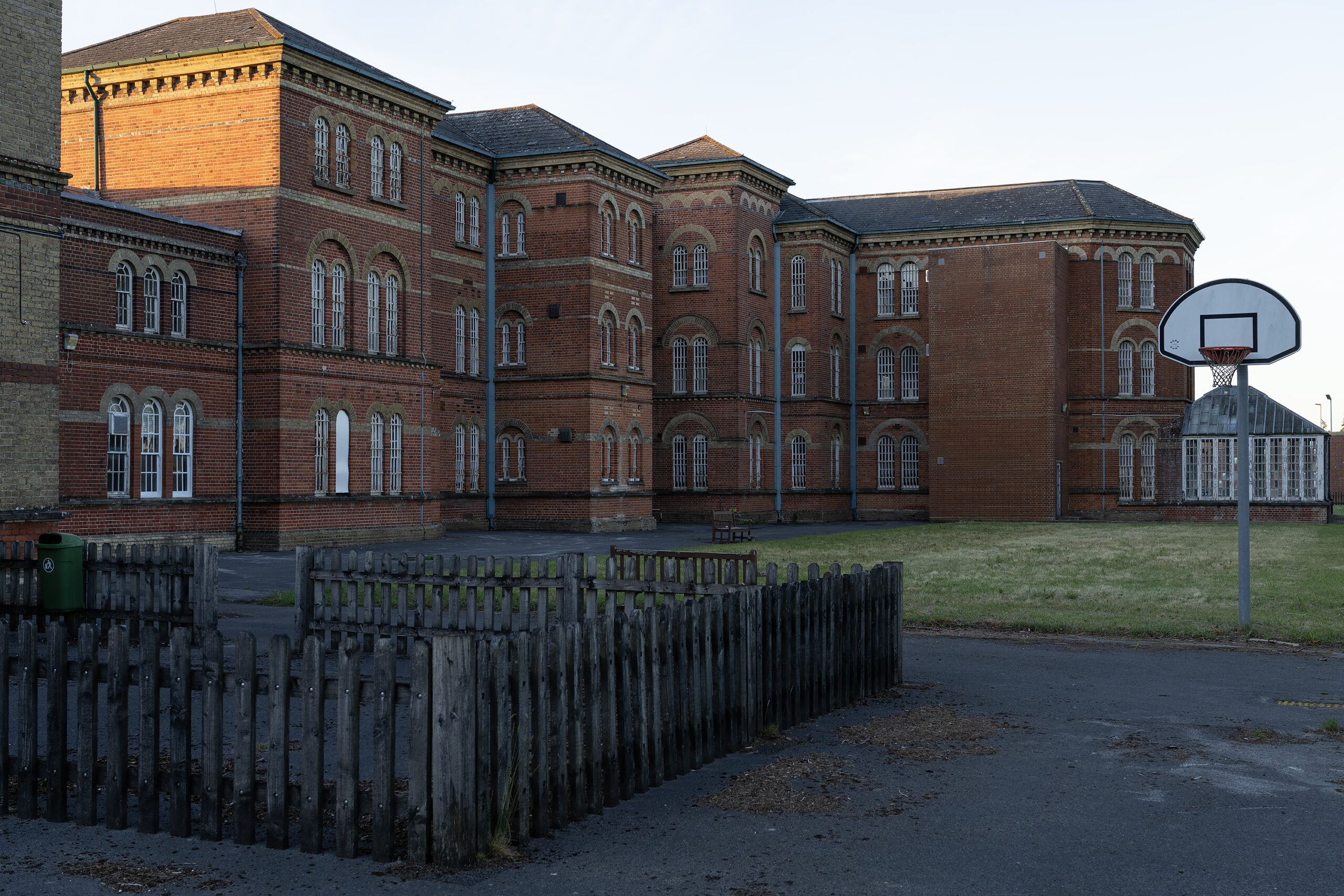
Few buildings in Britain carry the same reputation as Broadmoor Hospital. Located in Crowthorne, Berkshire, the sprawling Victorian complex became synonymous with criminal insanity, high-security psychiatric care, and some of the country’s most notorious offenders.
For more than 150 years, Broadmoor stood behind imposing red-brick walls, housing patients whose mental illnesses were considered too severe or dangerous for conventional hospitals. While often mistakenly referred to as a prison, Broadmoor has always been a hospital, designed to treat individuals suffering from serious mental disorders who had either committed crimes or were deemed a significant risk to themselves or others.
Today, much of the original Victorian site stands abandoned following the opening of a modern replacement hospital in 2019, leaving behind one of Britain’s most fascinating and eerie historic institutions.
The History of Broadmoor Hospital
Broadmoor Hospital opened in 1863 as the Broadmoor Criminal Lunatic Asylum, becoming England’s first purpose-built institution for what Victorian society referred to as “criminal lunatics.” The hospital was designed by Sir Joshua Jebb and constructed on a large rural site surrounded by woodland in Berkshire.
The first patients arrived in May 1863, with male patients following in 1864. Broadmoor was intended to provide a more humane alternative to housing mentally ill offenders in prisons or standard asylums. Throughout the Victorian era, attitudes towards mental health were changing, and Broadmoor represented a significant shift towards treatment rather than simple confinement.
Over the decades the hospital expanded considerably, becoming one of the most secure psychiatric facilities in the world. During the First World War, part of the complex was even used to house mentally ill German prisoners of war.
Notable Patients
Broadmoor’s reputation largely stems from the infamous individuals who have passed through its gates.
Some of the most well-known patients have included:
-
- Ronnie Kray
-
- Peter Sutcliffe (The Yorkshire Ripper)
-
- Charles Bronson
-
- Robert Napper
-
- Kenneth Erskine
Their presence helped cement Broadmoor’s image in the public imagination as Britain’s most feared psychiatric hospital, despite the majority of patients never achieving such notoriety.
Life Behind the Walls
Contrary to popular belief, Broadmoor was never intended to be a prison. Patients received psychiatric treatment, therapy, education, and vocational activities designed to support rehabilitation and recovery.
However, security remained a major concern. Following several high-profile escape attempts throughout its history, Broadmoor became famous for its security measures, including the now-legendary Broadmoor siren, which was tested weekly and could be heard across much of the surrounding area. For generations of local residents, the siren became part of everyday life.
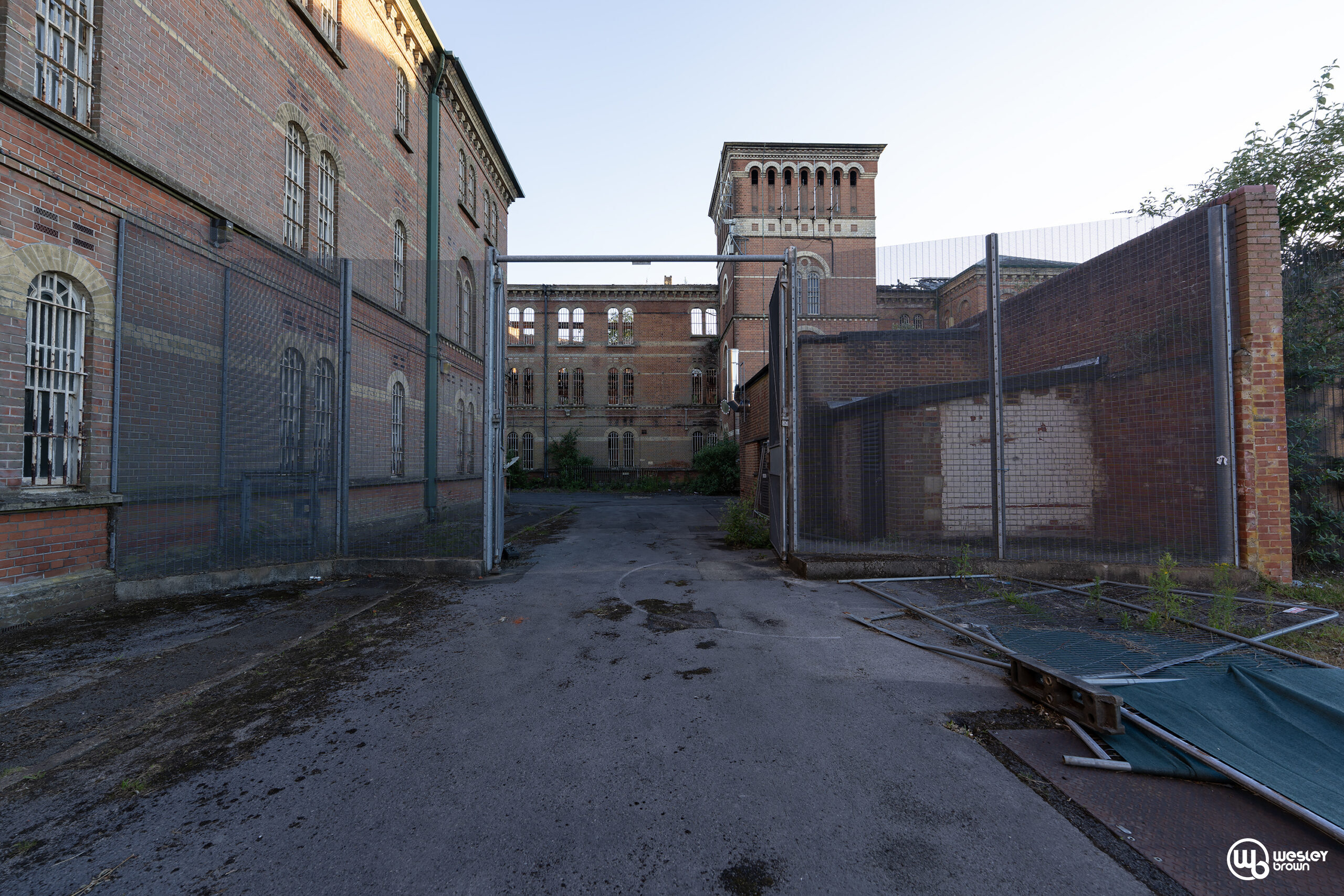
The Victorian buildings themselves were vast, consisting of long corridors, ward blocks, workshops, administration areas, a chapel, kitchens, and extensive grounds enclosed within secure walls.

Why Did Broadmoor Close?
By the early 2000s, inspectors considered many of the Victorian buildings increasingly unsuitable for modern psychiatric care. The ageing layout made treatment more difficult, while maintenance costs continued to rise. The historic structures were ultimately deemed unfit for modern healthcare requirements.
A major redevelopment project was approved, and a new purpose-built high-security hospital was constructed adjacent to the original site.
In December 2019, patients were transferred into the new Broadmoor Hospital, bringing more than 150 years of continuous use of the Victorian buildings to an end.
Today, the old Grade II-listed complex sits largely vacant while plans for its future continue to be debated.

Exploring the Abandoned Broadmoor Hospital
Gaining Access
Sometimes urbex is months of planning, scouting, and dead ends. Other times, luck is simply on your side.
After several failed attempts exploring sites in the area, we decided to make a spontaneous visit to Broadmoor. If nothing else, we wanted to finally see the infamous hospital in person. We’d all watched the videos, seen the photographs, and heard the stories from those lucky enough to get inside before us.
Arriving at the rear of the site, we wandered up to a gate and, almost jokingly, tried the handle. To our amazement, it opened.
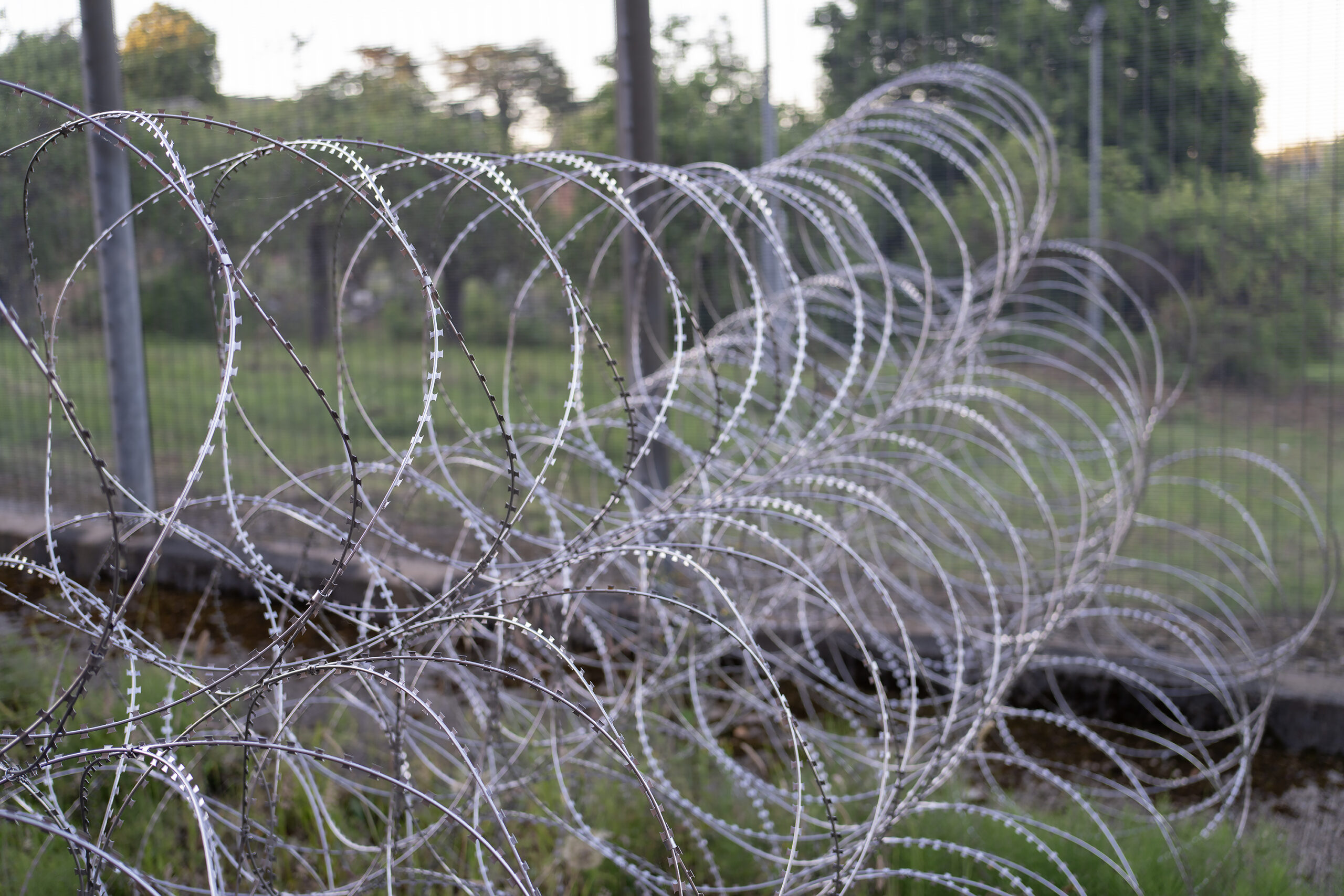
From there, things only got stranger. We navigated through multiple unsecured gates and sections of fencing, passing areas where razor wire had clearly been moved. With every obstacle that turned out not to be an obstacle at all, we became more convinced that our luck couldn’t possibly hold. Yet somehow it did.
First Impressions
Finding gate after gate open and accessible created an incredible sense of excitement. Every step deeper into the site felt surreal.
For years, Broadmoor had been one of those legendary locations that many urban explorers dream of visiting but never actually manage to enter. As we finally stepped inside one of the buildings, the anticipation gave way to that familiar rush that every explorer chases.
We were finally inside Broadmoor.

The Condition of the Buildings
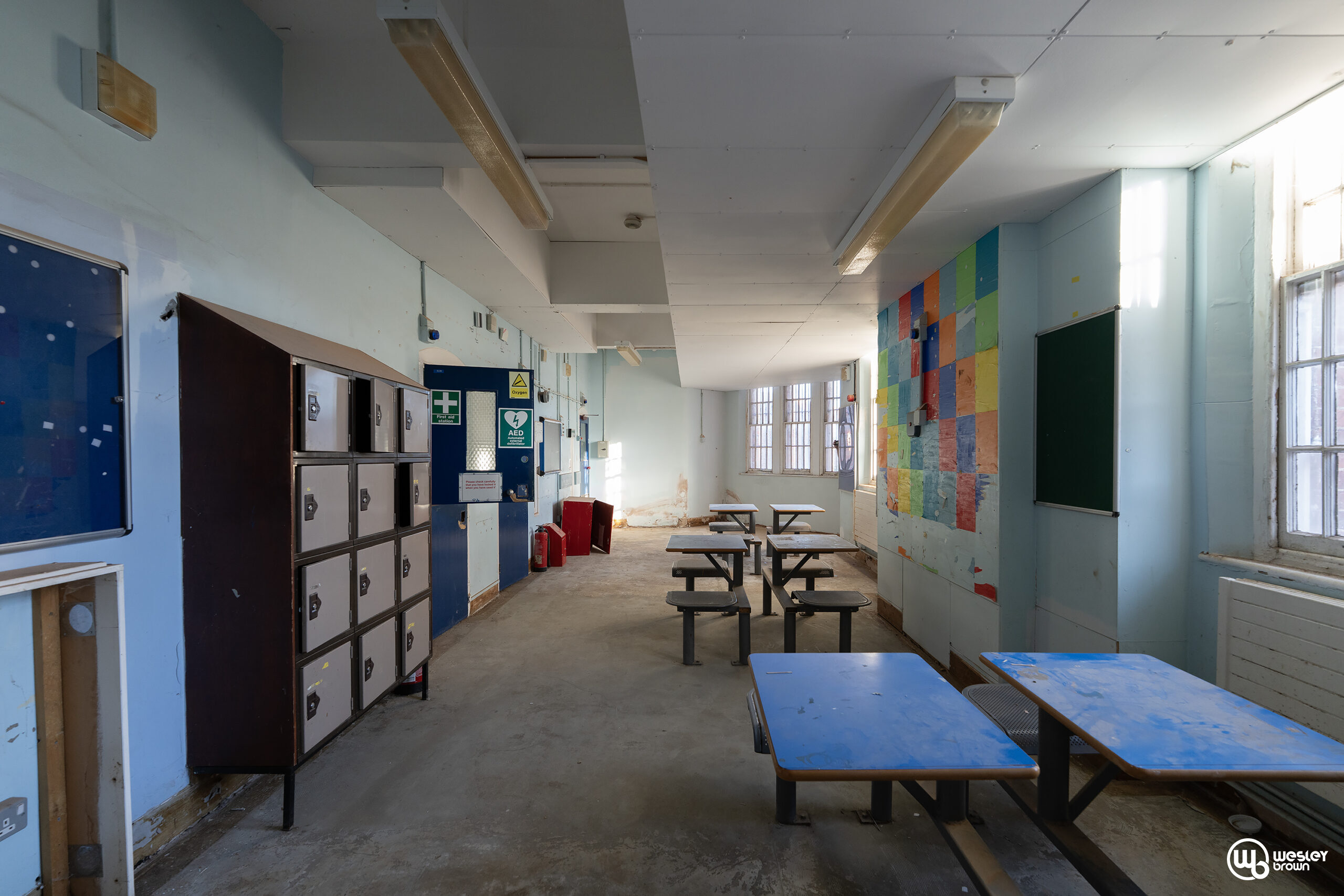
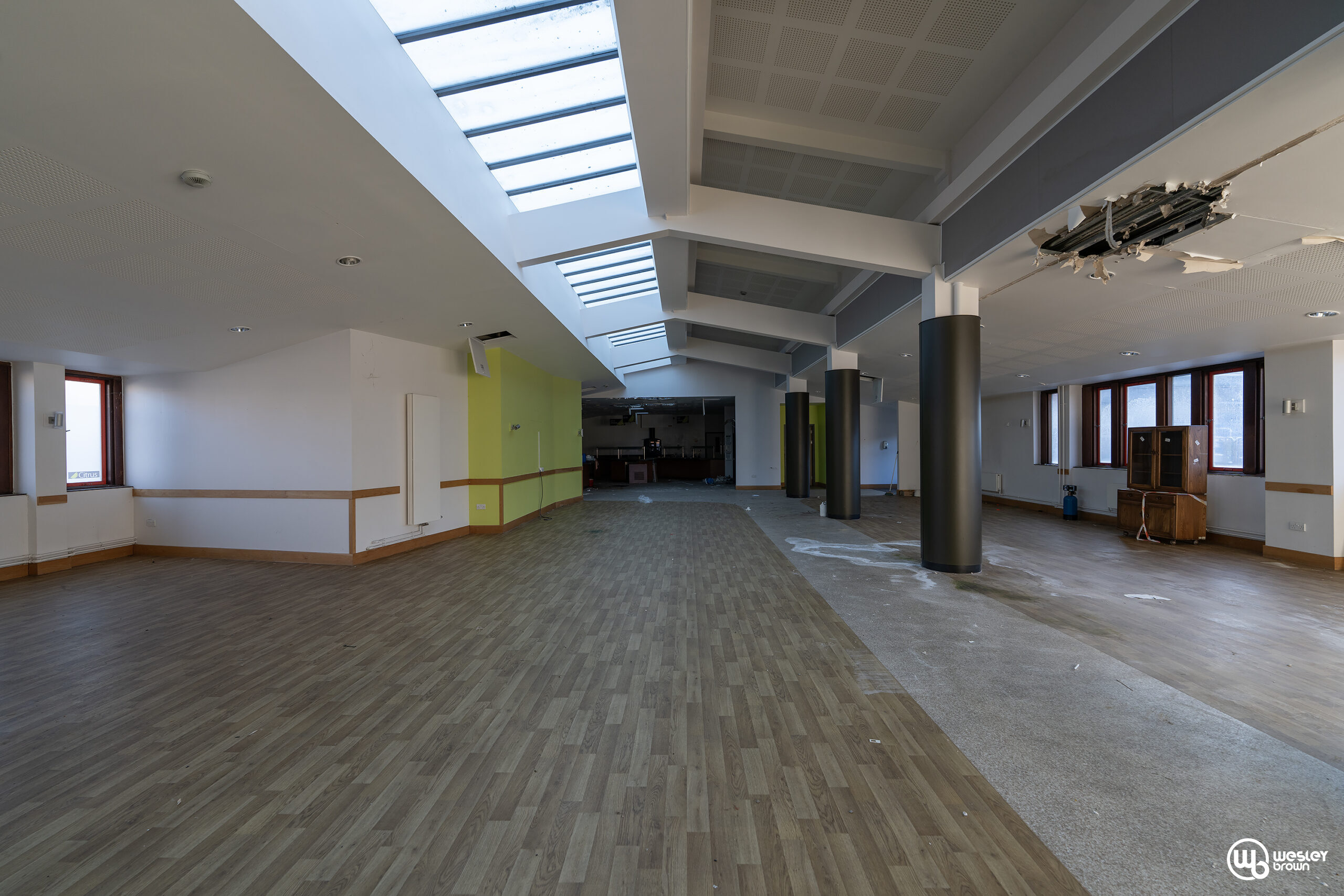
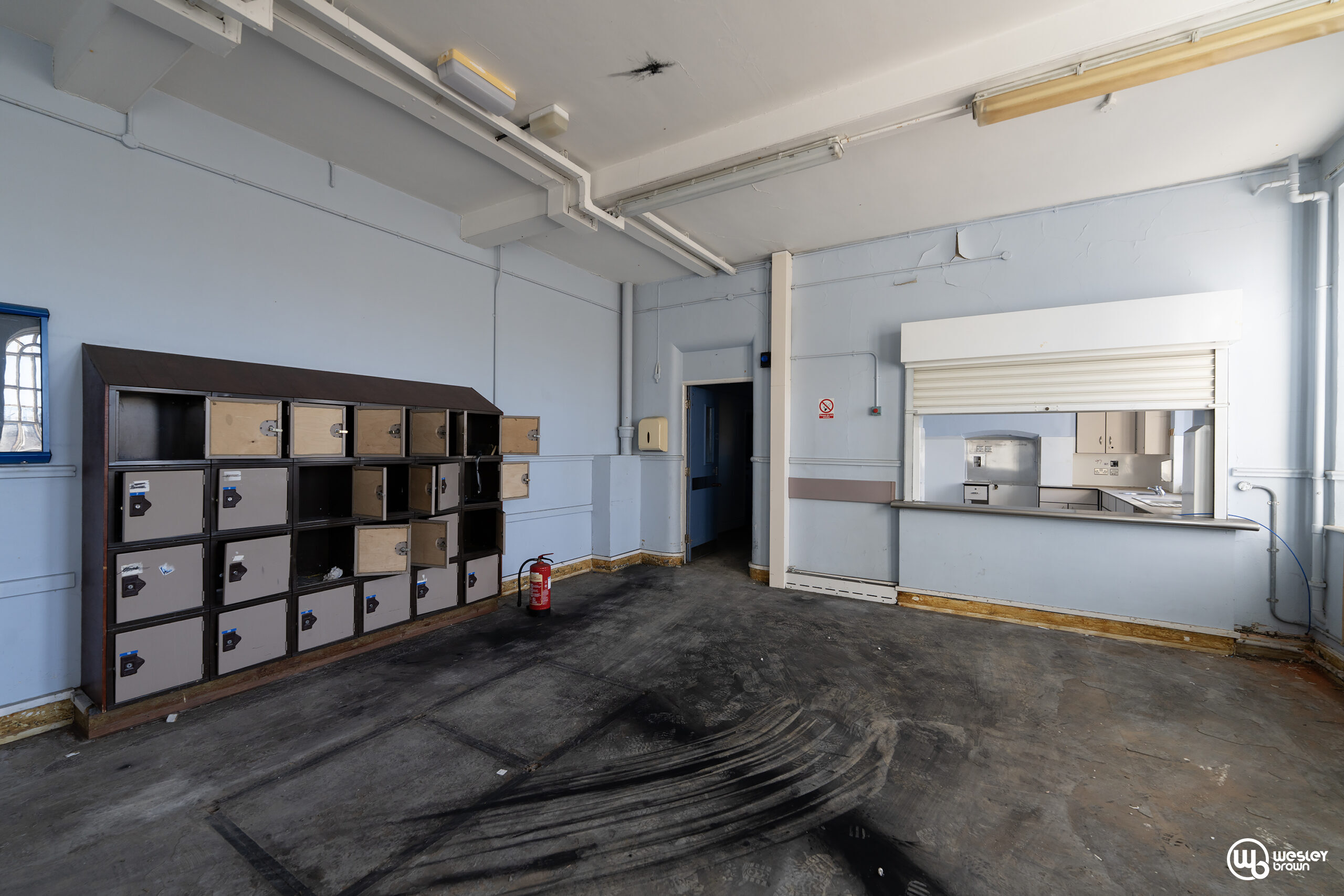
The interiors were far more stripped out than we expected.
It was clear that work had already begun to clear many areas, with room after room reduced to little more than empty shells. While much of the infrastructure remained, large sections of the hospital felt caught in a strange transitional state between abandonment and redevelopment.
Despite this, there was still plenty to discover.
What Was Left Behind
Although much of the site had been cleared, Broadmoor still contained countless reminders of its former life.
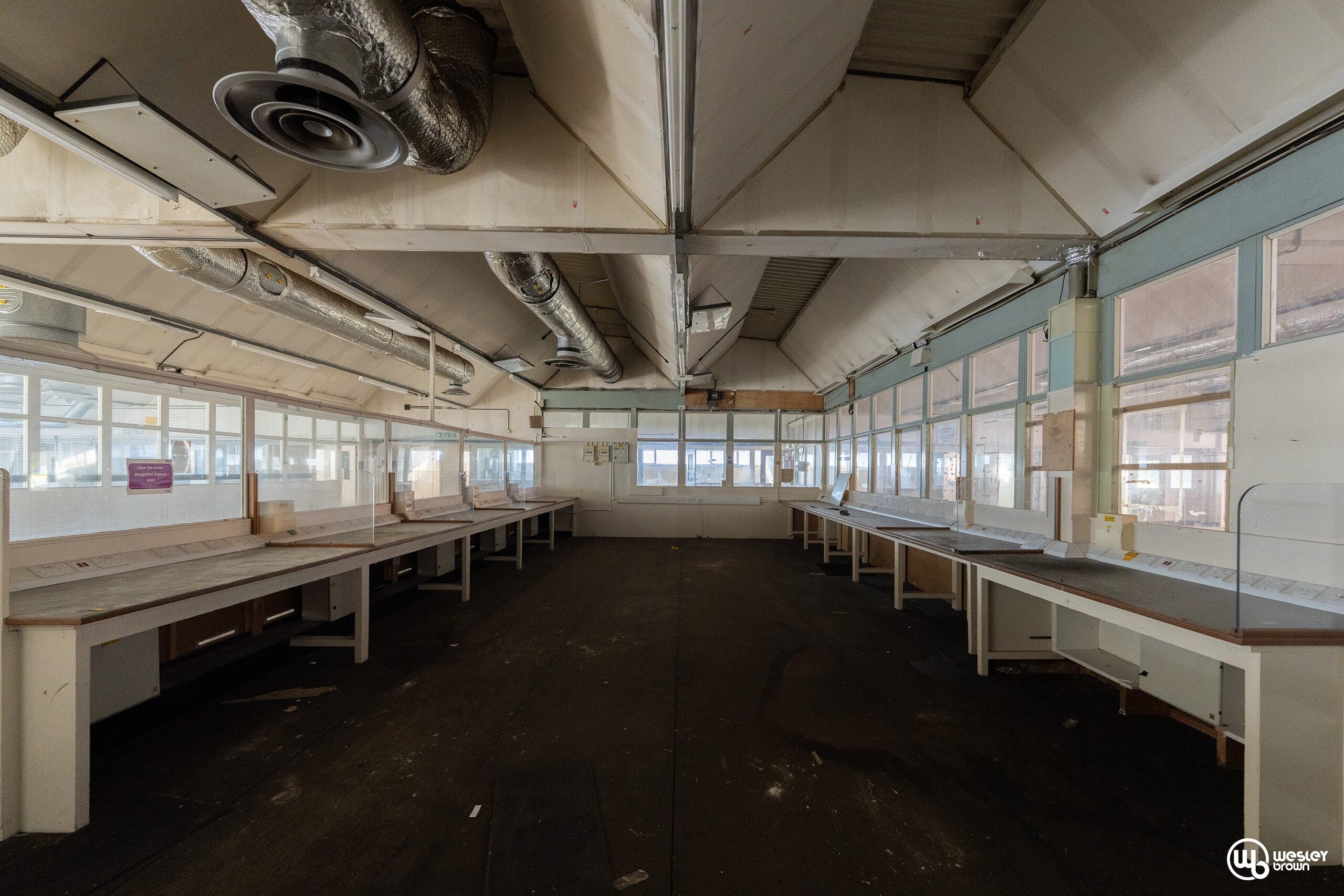
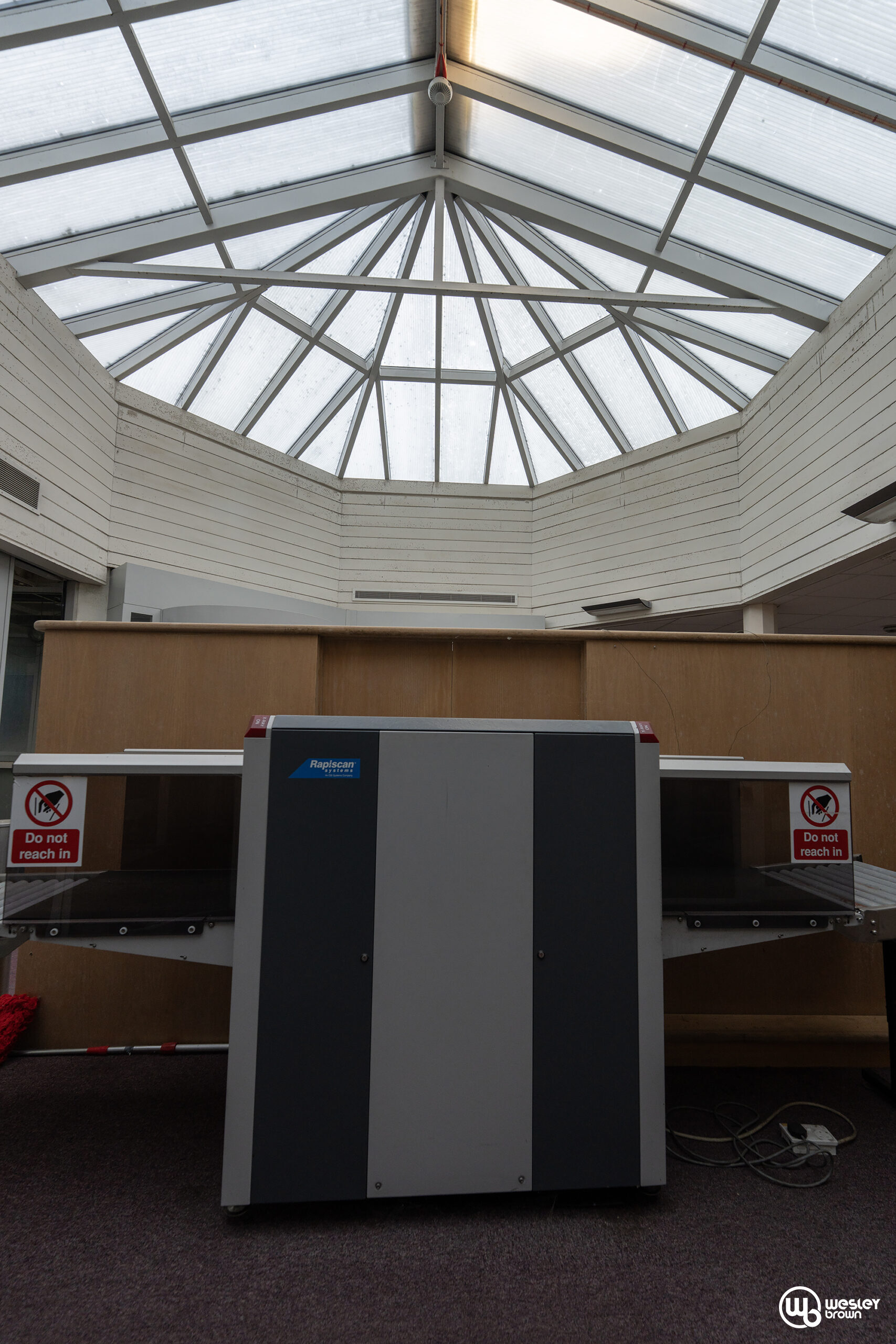
We found laboratory equipment, scanners, cameras, paperwork, inmate graffiti, and various pieces of medical and administrative equipment scattered throughout the complex. Every corridor seemed to reveal another forgotten item that had somehow escaped the clearance process.
These remnants offered fascinating glimpses into the day-to-day operation of one of Britain’s most famous psychiatric hospitals.

The Wards
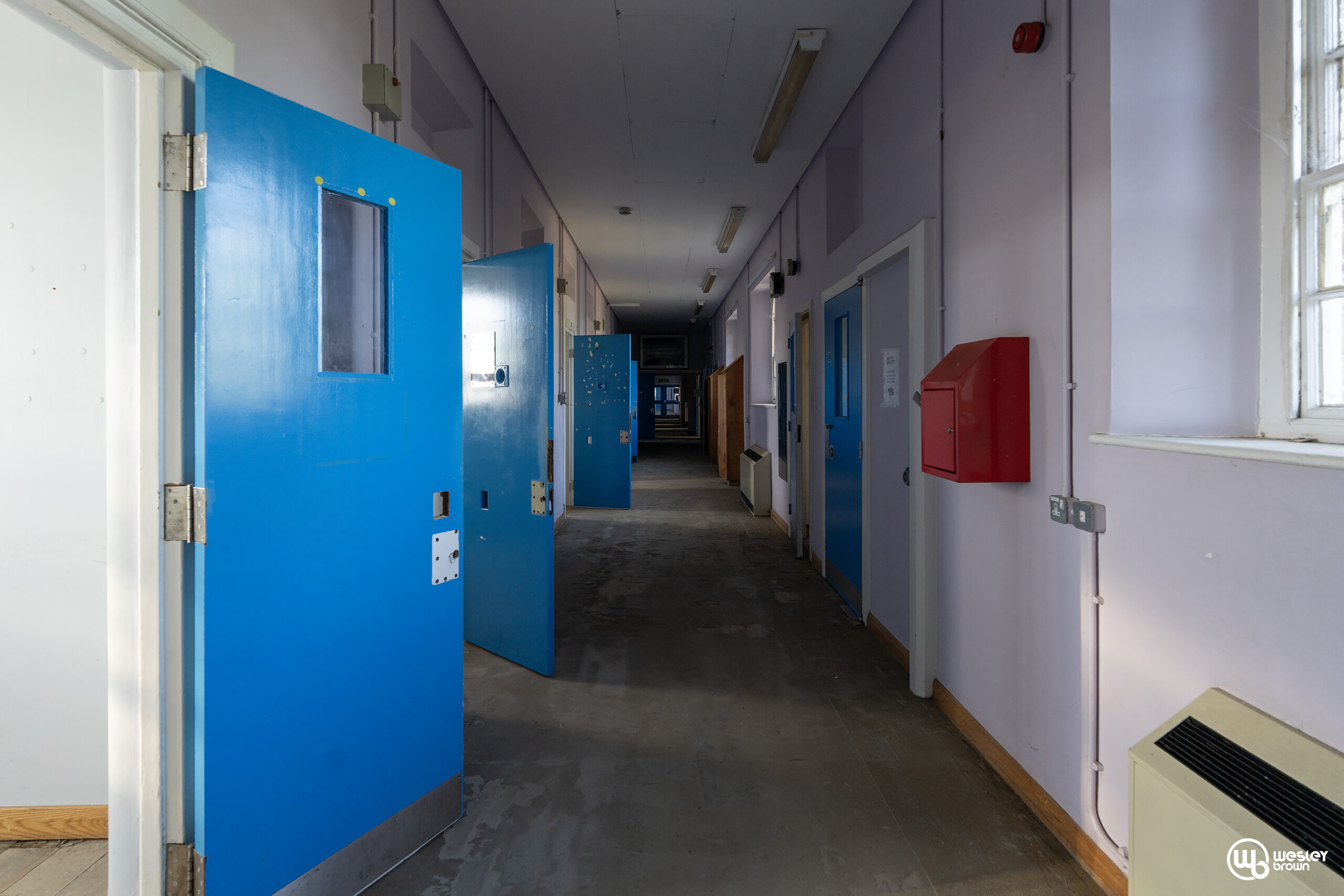
Many of the ward areas shared a similar layout, which is perhaps no surprise given the nature of the facility.
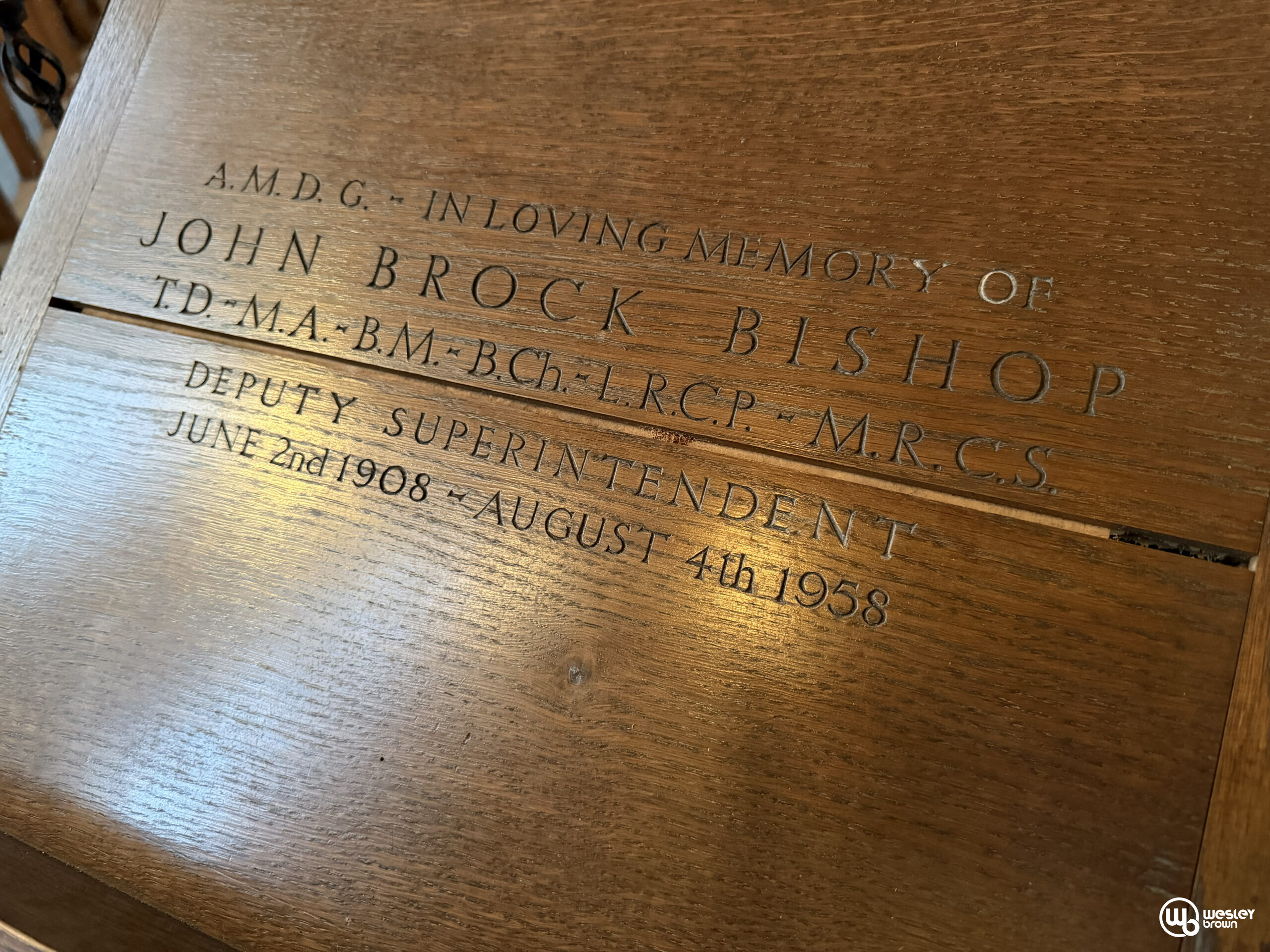
While the architecture often repeated itself, the details made each area unique. Some of the most interesting discoveries were the carvings, messages, and markings left behind by former occupants. These small traces of human presence added a layer of history that empty rooms alone could never provide.
The Chapel and Communal Areas
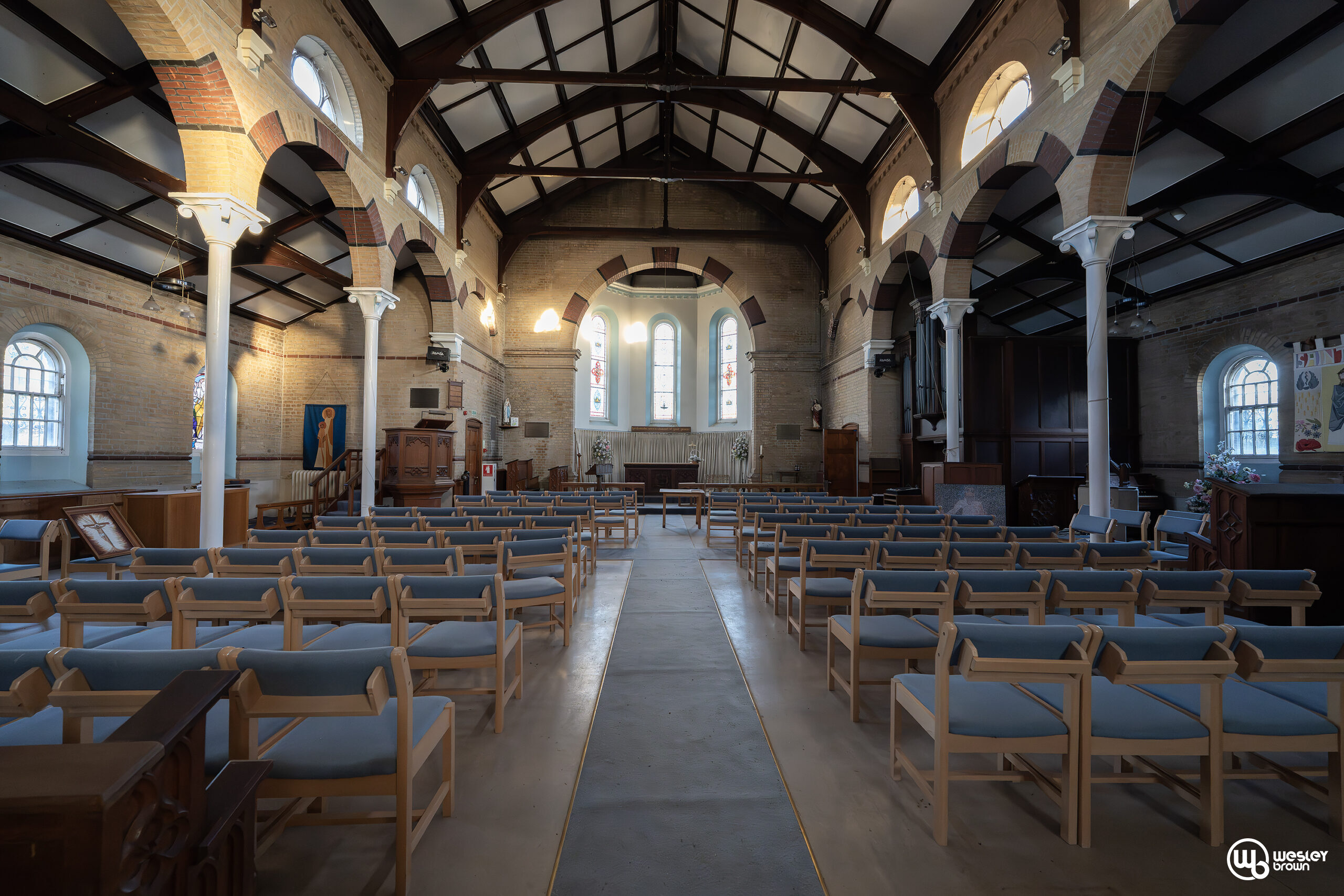
One of the highlights of the visit was undoubtedly the chapel.
Reaching it proved more difficult than expected. Security teams had done a thorough job of restricting access, and it took us quite some time to figure out a route through. When we finally made it inside, the effort was more than worthwhile.
The chapel remains one of the most impressive spaces within the entire hospital complex and stands as a reminder of the craftsmanship and scale that defined Victorian institutional architecture.

Security and Other Visitors
Perhaps the biggest surprise of the day was the complete lack of security.
In fact, we encountered nobody at all connected to the site. Instead, we met a friendly group of Welsh explorers who ended up joining us for much of the day. On our way out, we also passed several other groups making their way in.
When a site of this significance is left so accessible, it usually suggests that something is about to change. Unfortunately, in the urbex world, that often means redevelopment, demolition, or the arrival of metal thieves.
Only time will tell which comes first.
Photography Highlights
The chapel was undoubtedly the star of the show from a photography perspective. Its scale, atmosphere, and surviving details made it one of the most rewarding spaces to document.
Another unexpected highlight was discovering the swimming pool, which provided a striking contrast to the endless corridors and ward blocks found throughout the rest of the complex.
Together, these areas offered some of the strongest visual reminders of what Broadmoor once was.

The Future of Broadmoor
After watching countless videos of explorers scaling twenty-foot walls to gain entry last summer, I had largely resigned myself to the fact that Broadmoor might remain one of those sites I’d never get to visit.
Like many urban explorers, I’d become increasingly envious of those who had managed to get inside.
Thankfully, the old hospital is still standing, and remarkably little has changed since many of those earlier visits. However, there are already signs that the site’s future may be approaching faster than many people realise.
Evidence of squatters can be found in some areas, while piles of stripped metal are beginning to appear elsewhere. It doesn’t take much imagination to work out what could come next.
For now, Broadmoor remains largely untouched. The buildings are surprisingly pristine, with very little graffiti and almost no serious vandalism. That’s increasingly rare for a site of this scale and significance.
The question is how long that will last.
With access currently so wide open, there is a real risk that the site could deteriorate rapidly. Whether redevelopment, preservation, or destruction comes first remains to be seen.
For now, Broadmoor stands frozen in time—a remarkable piece of British history waiting for its next chapter.