Location: Forest Row, East Sussex, UK
Date of Visit: 18th February 2026
The History of Ashdown House
Hidden away in the Sussex countryside, Ashdown House is one of the most architecturally significant abandoned schools in the UK.
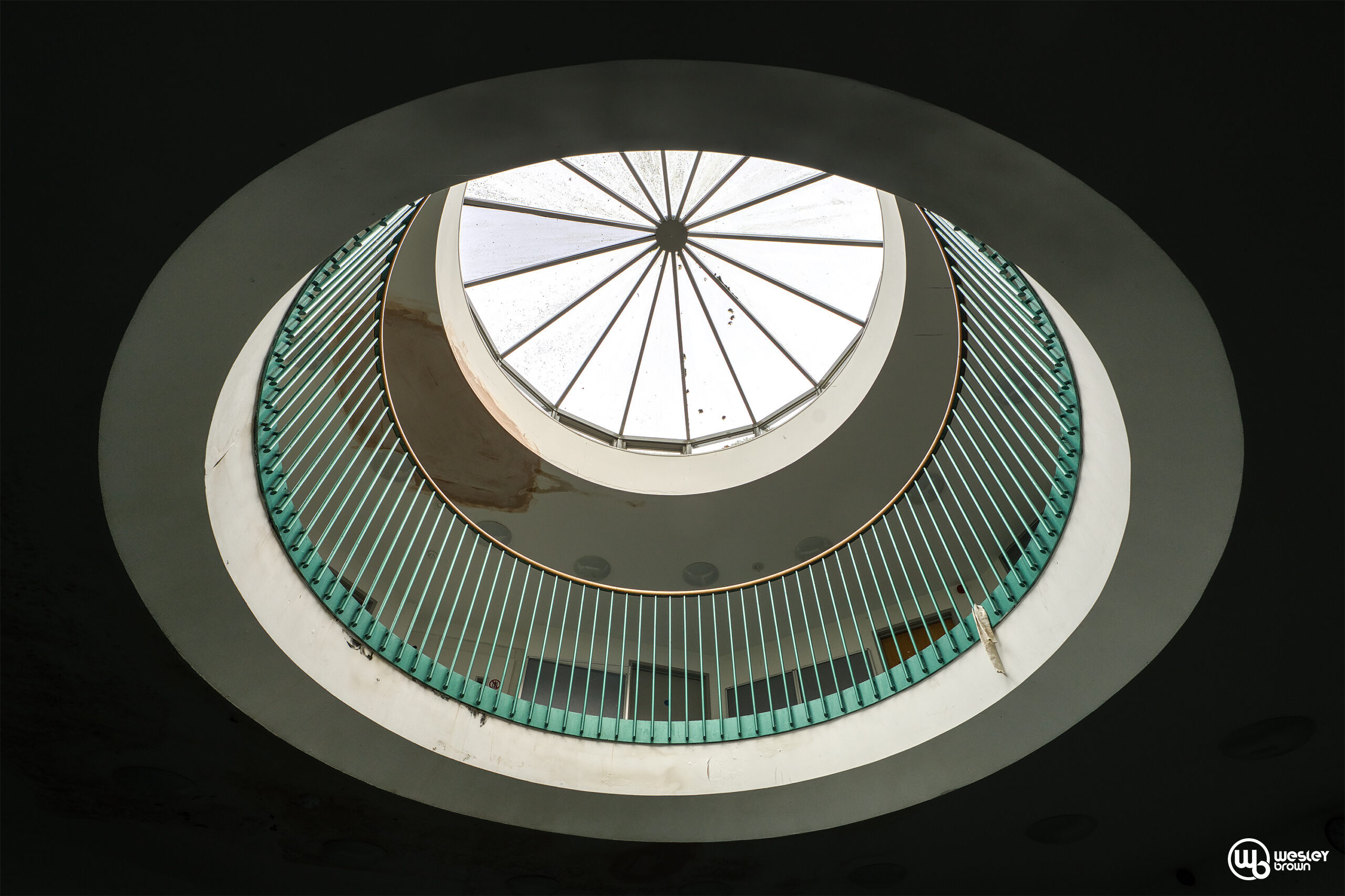
The Grade II* listed mansion was originally constructed between 1793 and 1795 and designed by architect Benjamin Henry Latrobe, who would later emigrate to America and become famous for his work on the United States Capitol Building. Architectural historians have even described the domes at Ashdown House as early prototypes for features later used in Washington D.C.
The estate became a preparatory school in 1886 and remained in educational use for well over a century. Originally founded in Brighton in 1843 before relocating to the estate, Ashdown House developed a reputation as one of Britain’s oldest and most prestigious boarding schools.
Over the years, the school educated numerous notable figures including actor Damian Lewis, journalist Rachel Johnson, politician Jo Johnson, and perhaps most famously, former Prime Minister Boris Johnson, who attended during the 1970s before moving on to Eton College.
Why Did Ashdown House Close?
Like many independent schools, Ashdown House faced increasing financial pressures during the late 2010s. The situation worsened dramatically during the Covid-19 pandemic, leading to falling pupil numbers and financial uncertainty.
In June 2020, the Cothill Trust announced that the school would close permanently after almost 180 years of operation. Trustees cited the impact of coronavirus and declining enrolment numbers as key reasons behind the decision. The final pupils left later that year, ending more than a century of education at the historic estate.
What Happens Next?
Following its closure, the site was sold to a developer in 2021.
Since then, various redevelopment proposals have emerged, including plans for dozens of new homes across the estate and the conversion of parts of the historic building into luxury apartments. Unsurprisingly, these proposals have attracted significant local opposition, with concerns raised about traffic, infrastructure, and the impact on a nationally important historic building. As things stand, the long-term future of Ashdown House remains uncertain.

Exploring Ashdown House
Attempt Number One
My first attempt at Ashdown House came during the summer.
After a three-hour drive filled with anticipation, the explore was over almost before it had begun. Security appeared almost immediately, leaving us with little choice but to turn around and make the long journey home.
As every urban explorer knows, sometimes the location wins.
Still, Ashdown House remained firmly on the list.
Returning in Winter
A few months later, I decided to give it another go.
This time things couldn’t have been more different.
Arriving on site, I quickly discovered that the main gates were standing open. Better still, building after building appeared to be completely accessible. After the disappointment of the first trip, I genuinely couldn’t believe my luck.
Within minutes I was walking through a site that had completely defeated me only months before. Funny how things work out sometimes!
Security on Site
The site wasn’t completely deserted.
Throughout the day I spotted several people wearing high-visibility clothing moving around parts of the estate. Whether they were contractors, surveyors, security staff or something else entirely, I never found out.
What I did know was that I had no intention of introducing myself.
A few careful route changes and a bit of patience ensured we never crossed paths. The best explores are often the ones where nobody knows you’re there.
Photography Highlights
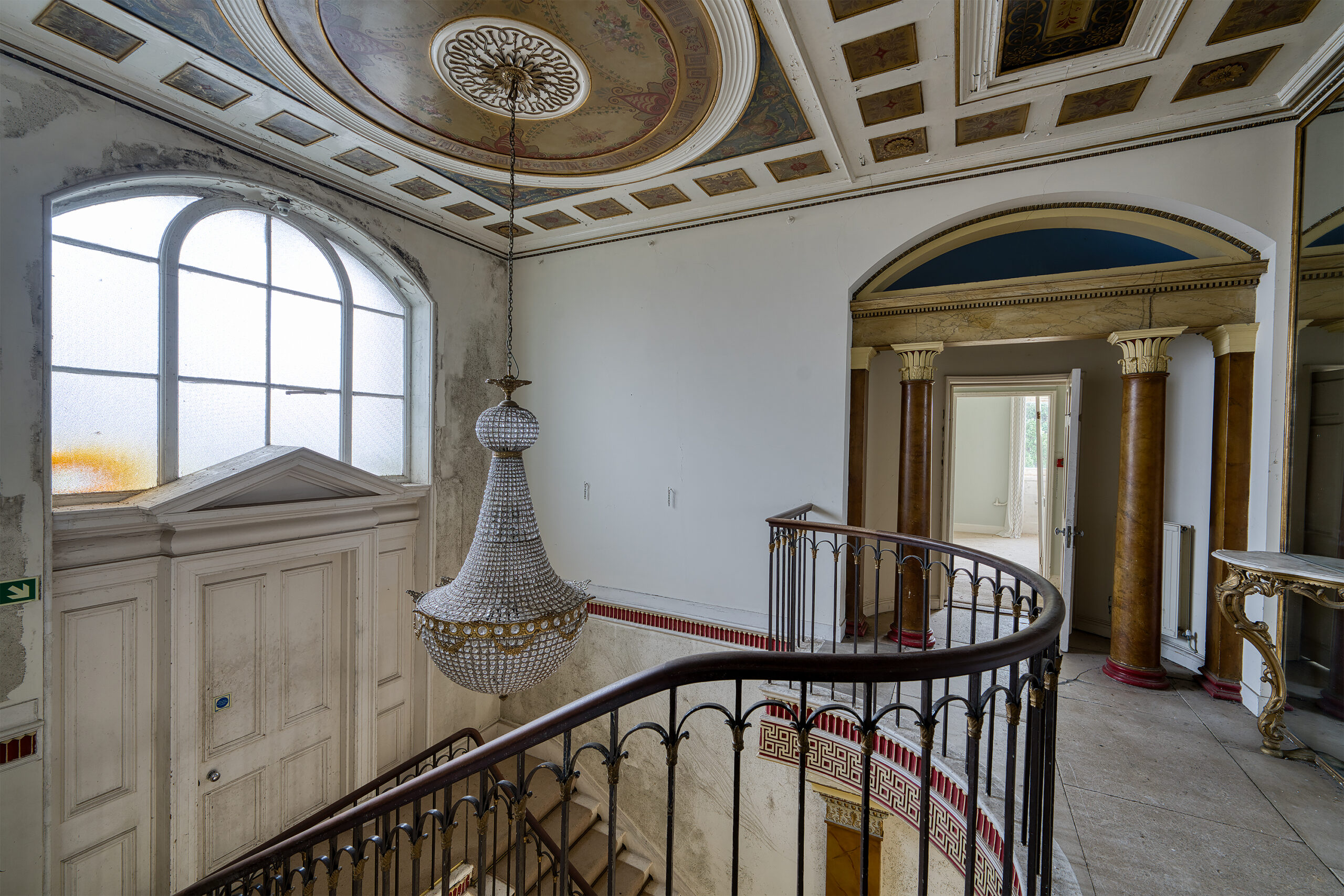
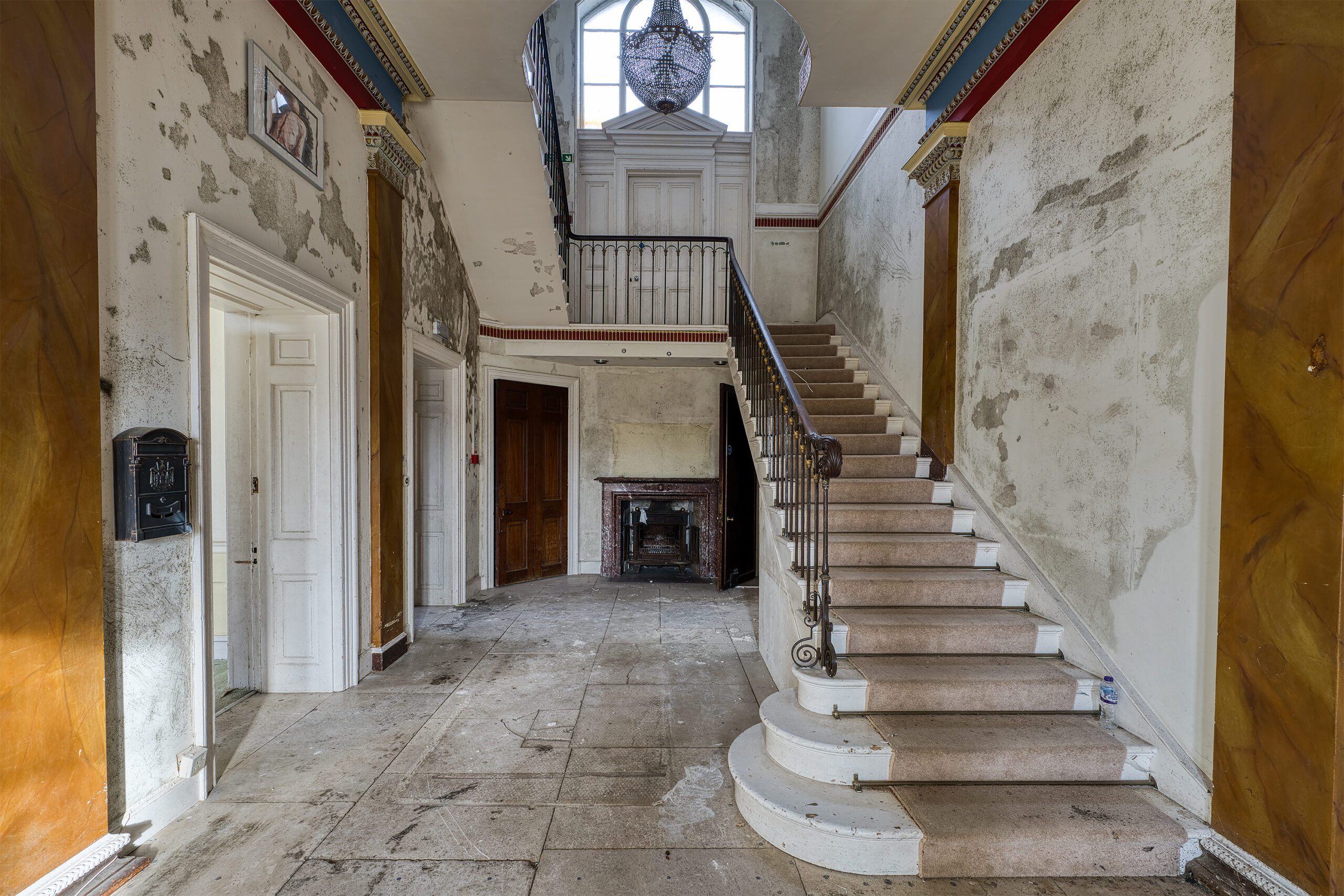
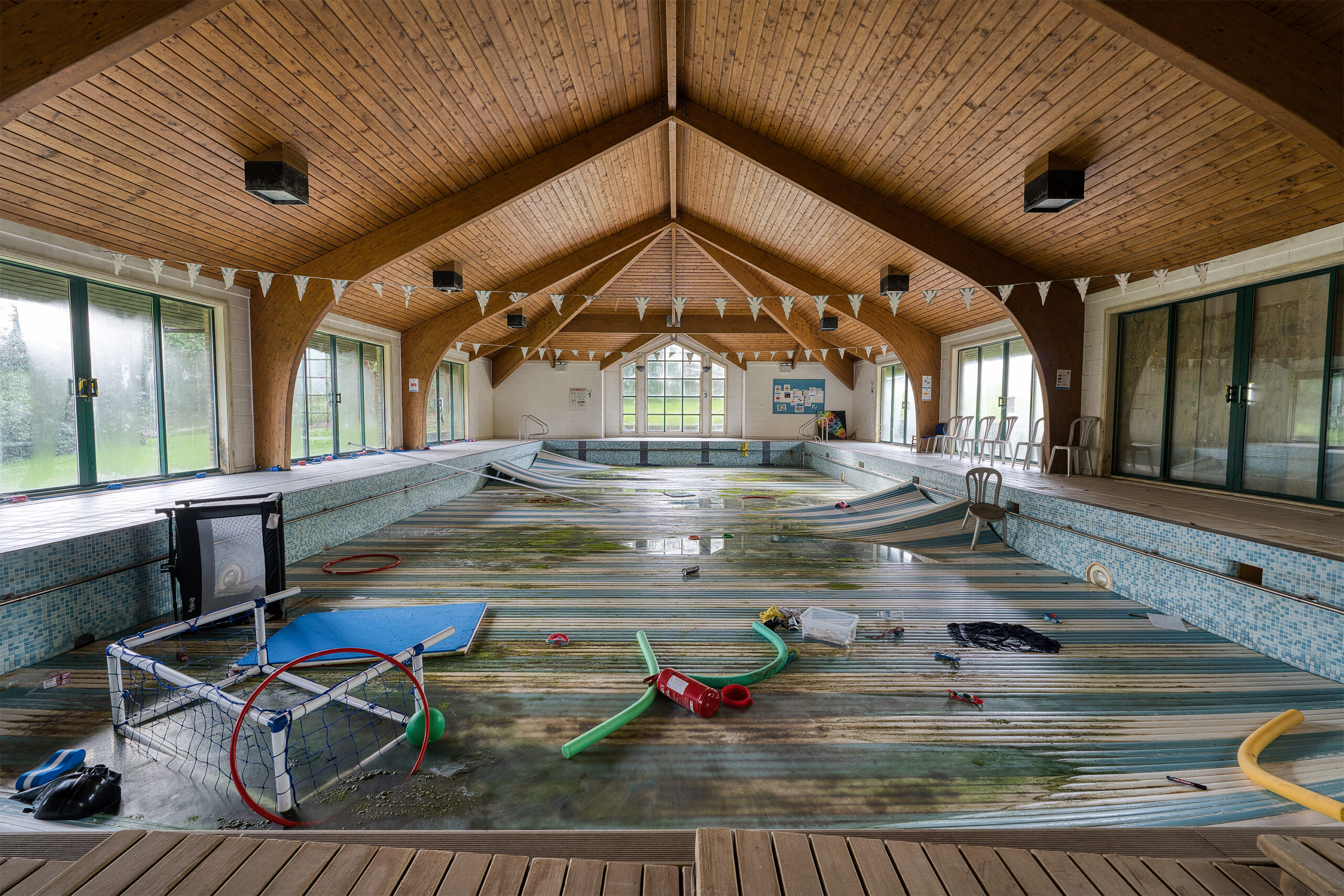
The main house was undoubtedly the standout feature of the day.
The grand staircase, period architecture and endless corridors provided countless photographic opportunities. Every room seemed to reveal another detail from the building’s long history.
Winter proved to be the perfect time to visit. With the trees stripped back and softer natural light flooding the interiors, the atmosphere was exactly what you’d hope for from a location like this.
Final Thoughts
Looking back, I’m glad the first attempt failed.
Had I managed to get inside during the summer, the explore probably wouldn’t have felt nearly as rewarding. Returning months later and finding the gates standing open made the experience all the more memorable.
Ashdown House is far more than just another abandoned school. It represents nearly two centuries of history, from its origins as a Georgian country house to its final years educating generations of pupils, including a future Prime Minister.
For now, the buildings remain standing while developers, planners and local residents debate their future.
What happens next remains to be seen.
But for urban explorers, Ashdown House currently stands as one of the most impressive abandoned educational sites in the country.