Location: Wales, UK
Date of Visit: July 2026
Explored with Luke Joyce & TrevBish
Abandoned chapels, churches, care homes and industrial sites shaped this three-day, 1,000-mile road trip across Wales: one van, two cameras, temperatures nudging 35°C, and a sat nav packed with forgotten buildings and three aging urban explorers. If you’re into urban exploration, photography, industrial heritage or Welsh history, this is a grounded look at what you actually find on the road, from religious buildings and collieries to slate quarries, access problems and the occasional conversation with an owner.
This trip wasn’t about ticking off famous urbex locations. In fact, many of the headline sites we’d planned simply didn’t work out. That’s often the reality of urban exploration. Places get demolished, secured, converted or become impossible to access. But sometimes the places you never planned to visit end up becoming the highlights of the entire journey.
Over three days we travelled the length of Wales, camping in the van beneath dark skies, photographing forgotten religious buildings, chasing old industrial sites and stumbling across abandoned chapels we’d never even marked on the map. That mix of unexpected discovery, local history and striking architecture is exactly what makes abandoned places in Wales worth exploring and documenting.

The Journey Begins
The first day started in South Wales with a long list of planned locations.
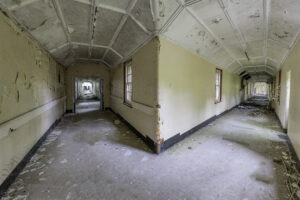
Some, like the former care home and several isolated chapels, were still standing. Others had clearly changed since the last reports we’d found online. That’s part of exploring abandoned places; information can be months or even years out of date, and every visit is a gamble.
One thing quickly became apparent. Wales, part of the UK, has a distinctive culture, and over three days we travelled its length with its regional geography in mind, from North, South, Mid and West Wales, with South Wales home to Cardiff, the capital city.
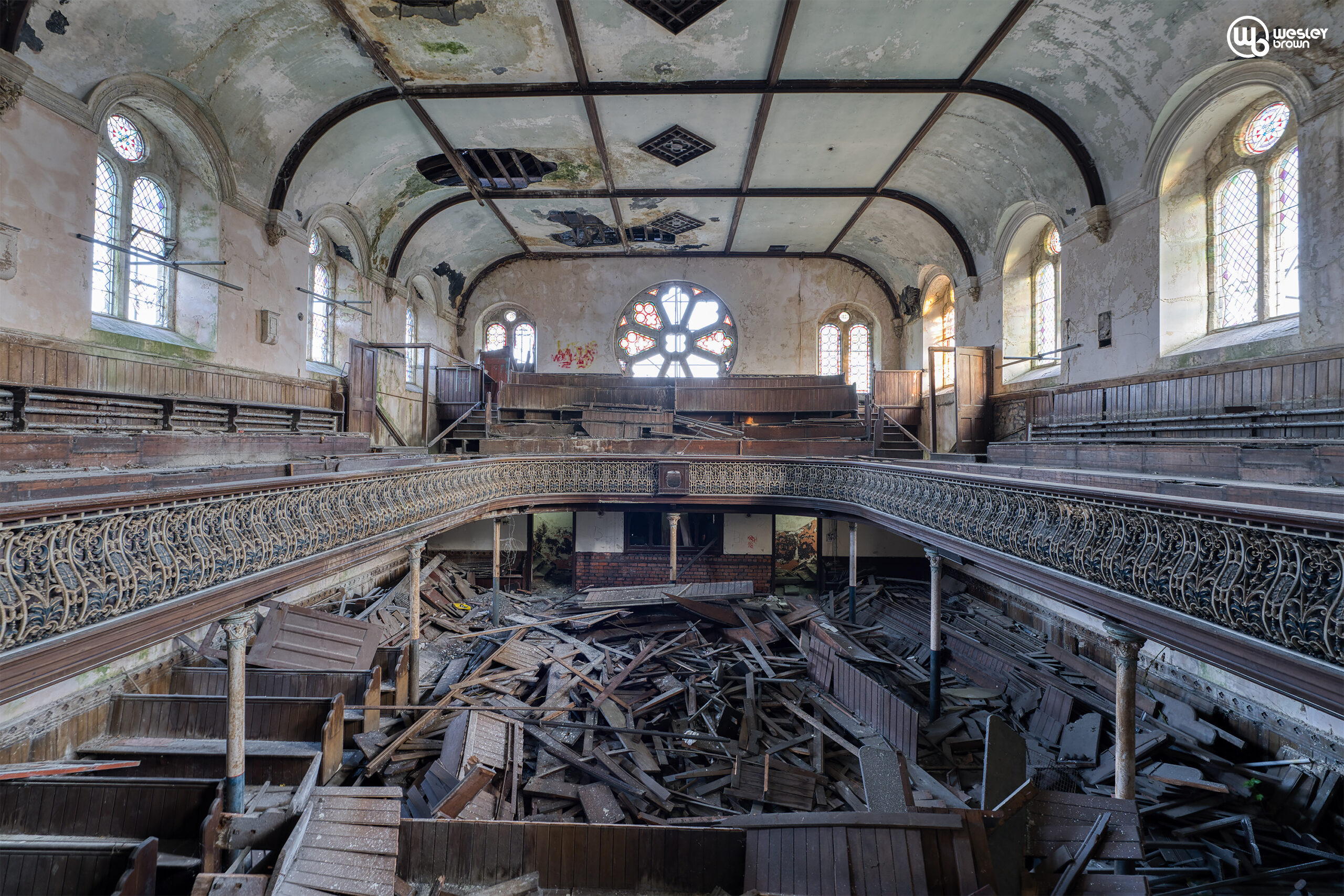
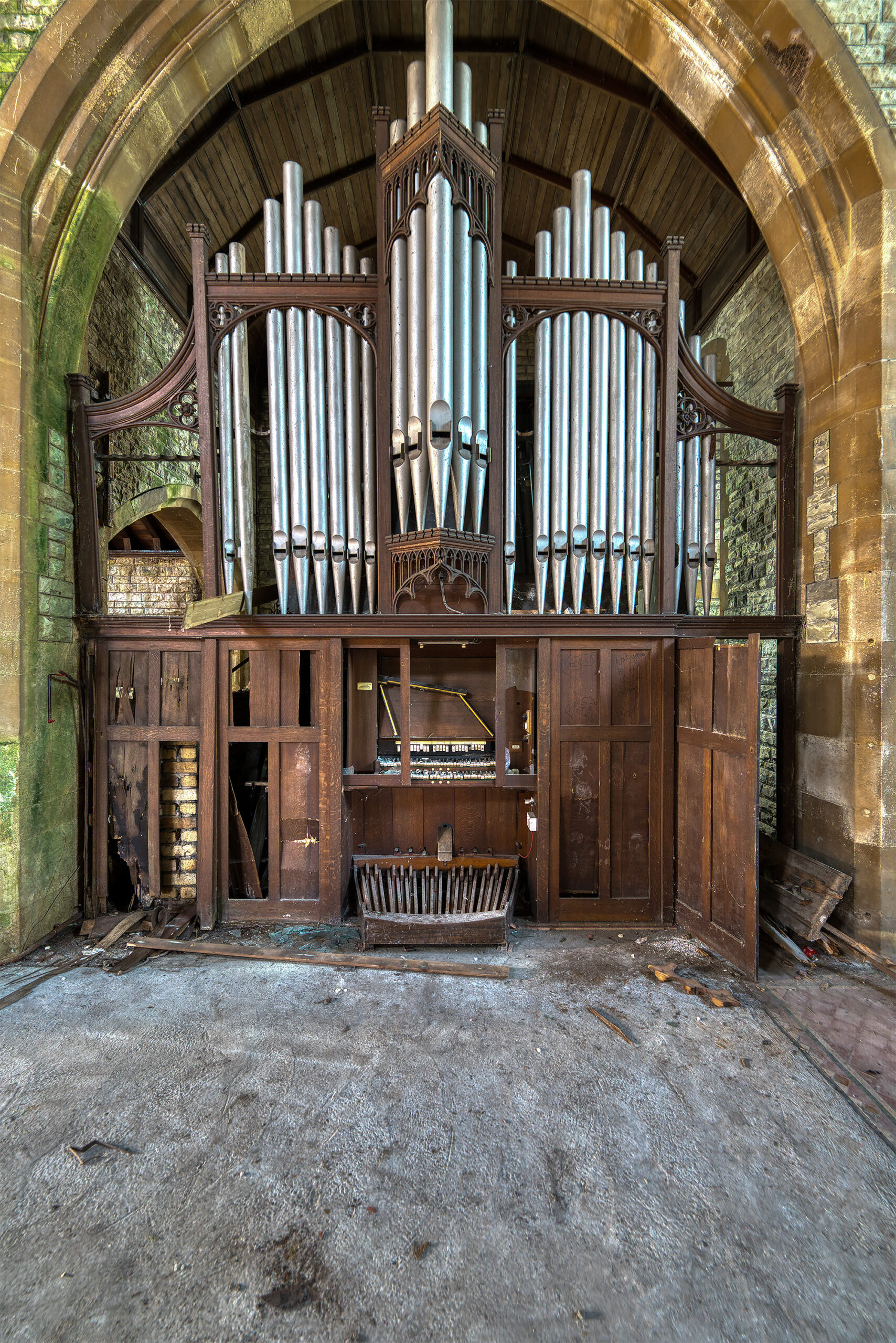
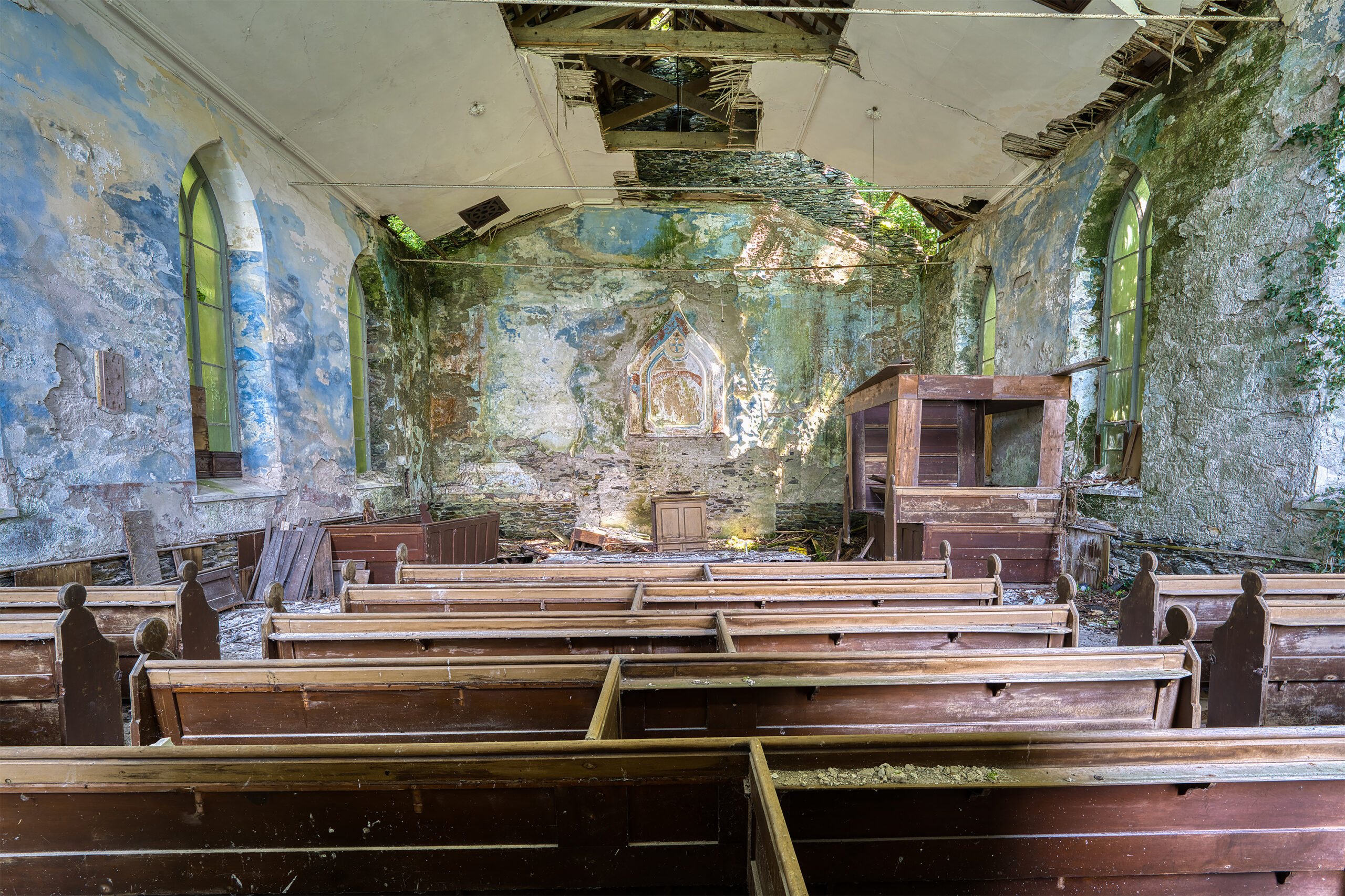
Every time we turned onto another country road there seemed to be another small Welsh chapel sitting quietly beside the road, a reminder of the country’s deep-rooted culture, the red dragon as a symbol of Welsh identity, and its living language, with Welsh an official language since 2011. Some were completely abandoned, others partially collapsed, while a surprising number had recently been purchased for conversion into homes.
The Hoover Factory… Not This Time
One of the larger locations on our route was the old Hoover site, along with several abandoned hospitals we’d hoped to explore.
Unfortunately, they all turned into dead ends.
Security, redevelopment and changing site conditions meant several of our biggest planned locations simply weren’t possible.
It would have been easy to see the day as a disappointment.
Instead, it forced us to do what every urban explorer eventually learns to do.
Keep driving.
Those unexpected discoveries often become the story you remember.
Camping Under the Welsh Sky at Usk Reservoir
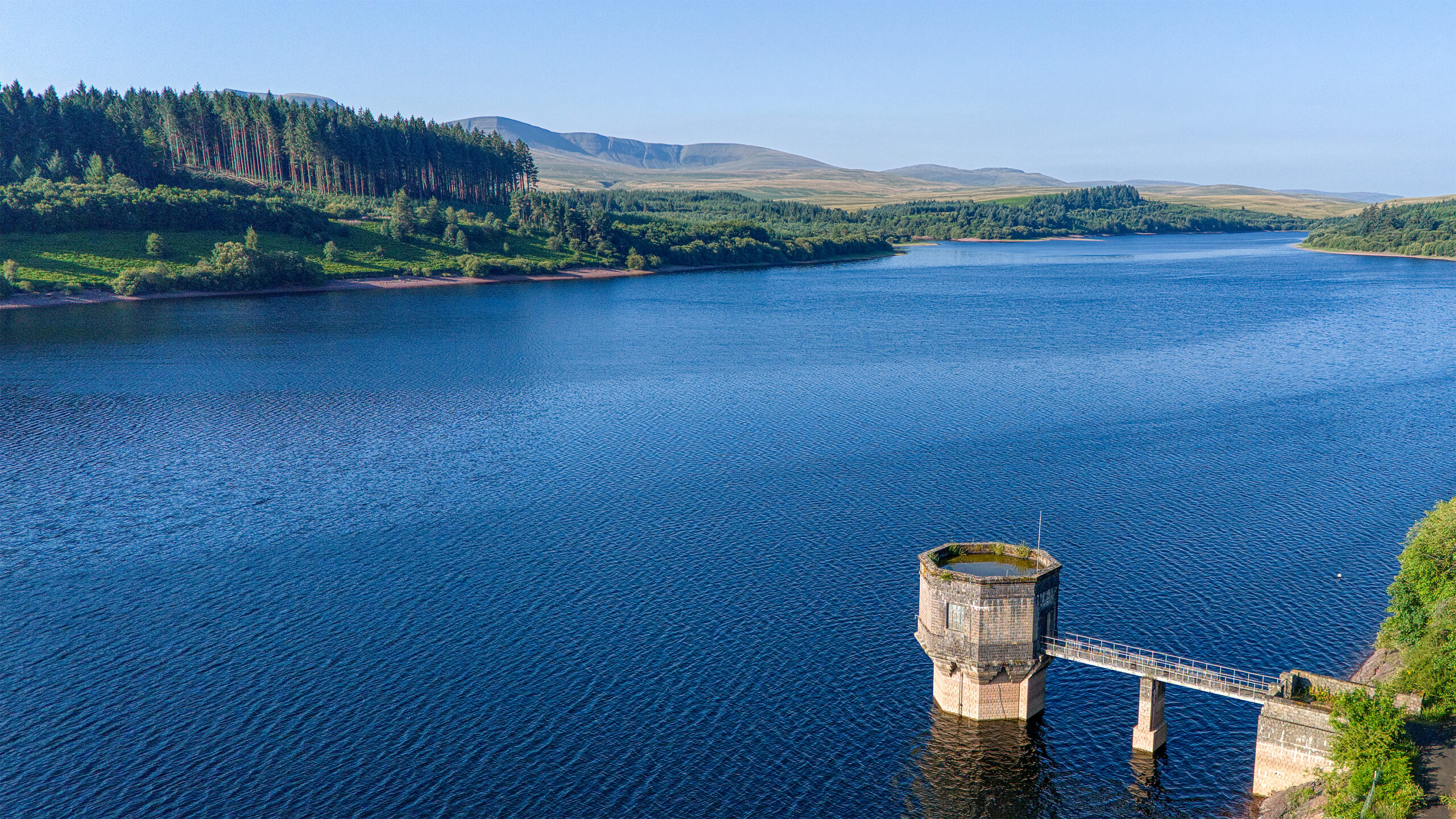
After a long first day of exploring abandoned chapels, forgotten buildings and hidden corners of Wales, we made our way to a peaceful overnight stop beside Usk Reservoir.
Despite camping in such a beautiful location, the heatwave refused to let up. Even after sunset, the inside of the van felt more like an oven than a camper, making for a restless night’s sleep. It wasn’t the most comfortable night we’ve spent on the road, but waking up to the calm waters of Usk Reservoir, surrounded by the rolling hills of the Brecon Beacons (Bannau Brycheiniog), quickly made up for it.
There’s something special about starting the day in the middle of the Welsh countryside. With the morning mist hanging over the reservoir and another day of urban exploration ahead, it was the perfect place to enjoy a coffee, plan the route, and head off in search of more abandoned churches, chapels and forgotten places.
Moments like these are just as memorable as the locations themselves. They remind you that a road trip through Wales isn’t only about reaching the next destination; it’s about slowing down, enjoying the landscapes, and appreciating the rich history that surrounds every mile of the journey.

Meeting the Owners: A Warm Welsh Welcome
One of the nicest surprises of the trip was meeting several of the people who now own these historic buildings.
At one chapel we bumped into the owners while they were converting it into a home.
At another, the new owners had only recently purchased the building and were preparing to begin restoration work.
Rather than being chased away, we found ourselves chatting about the history of the buildings, photography and the challenges of preserving these beautiful old chapels.
It’s always encouraging to see these places being given a second chance rather than falling into complete ruin.

Alwen Reservoir – Sometimes the Wrong Turn Makes the Best Story
One of the biggest adventures of the weekend came at Alwen Reservoir in North Wales.
The previous afternoon we’d spent hours trying to access what we believed were the abandoned sections around Pontsticill Reservoir. We battled steep hillsides, searched countless tracks and explored every possible access point, only to discover later that we’d been looking in completely the wrong place. It was one of those frustrating moments every urban explorer knows all too well. After all that effort, we’d never actually been anywhere near the location we were trying to find.
Determined not to make the same mistake twice, we decided to camp nearby and get an early start the following morning for Alwen Reservoir.
The cooler morning temperatures were definitely welcome, although the long grass surrounding the reservoir presented its own challenge. We spent the best part of an hour pushing through waist-high vegetation, wildflowers and thick undergrowth, searching for what we thought had to be the only route into the abandoned structures.
To make matters even more entertaining, Trev was battling a serious pollen allergy the entire time, making the whole expedition equal parts exploration and comedy.
Eventually we reached the site and enjoyed a fantastic explore, photographing the abandoned reservoir buildings and soaking up the peaceful surroundings. It was exactly the kind of forgotten location we love finding; isolated, atmospheric and surrounded by beautiful Welsh countryside.
Then came the walk back.
Within minutes we spotted what should have been obvious from the beginning: a perfectly clear footpath leading directly to the site, barely fifty metres from where we’d originally climbed into the undergrowth.
After spending the best part of an hour fighting through fields and long grass, we’d unknowingly walked straight past the easiest access route.
Needless to say, there was plenty of laughter.
Looking back, those little mishaps are often the memories that stick with you far more than the photographs themselves. Alwen Reservoir turned out to be one of the highlights of the entire trip, not just because of the location, but because of the adventure it took to get there. Sometimes the best stories from an urban exploration road trip aren’t about the buildings at all, but about everything that happens on the way to finding them.




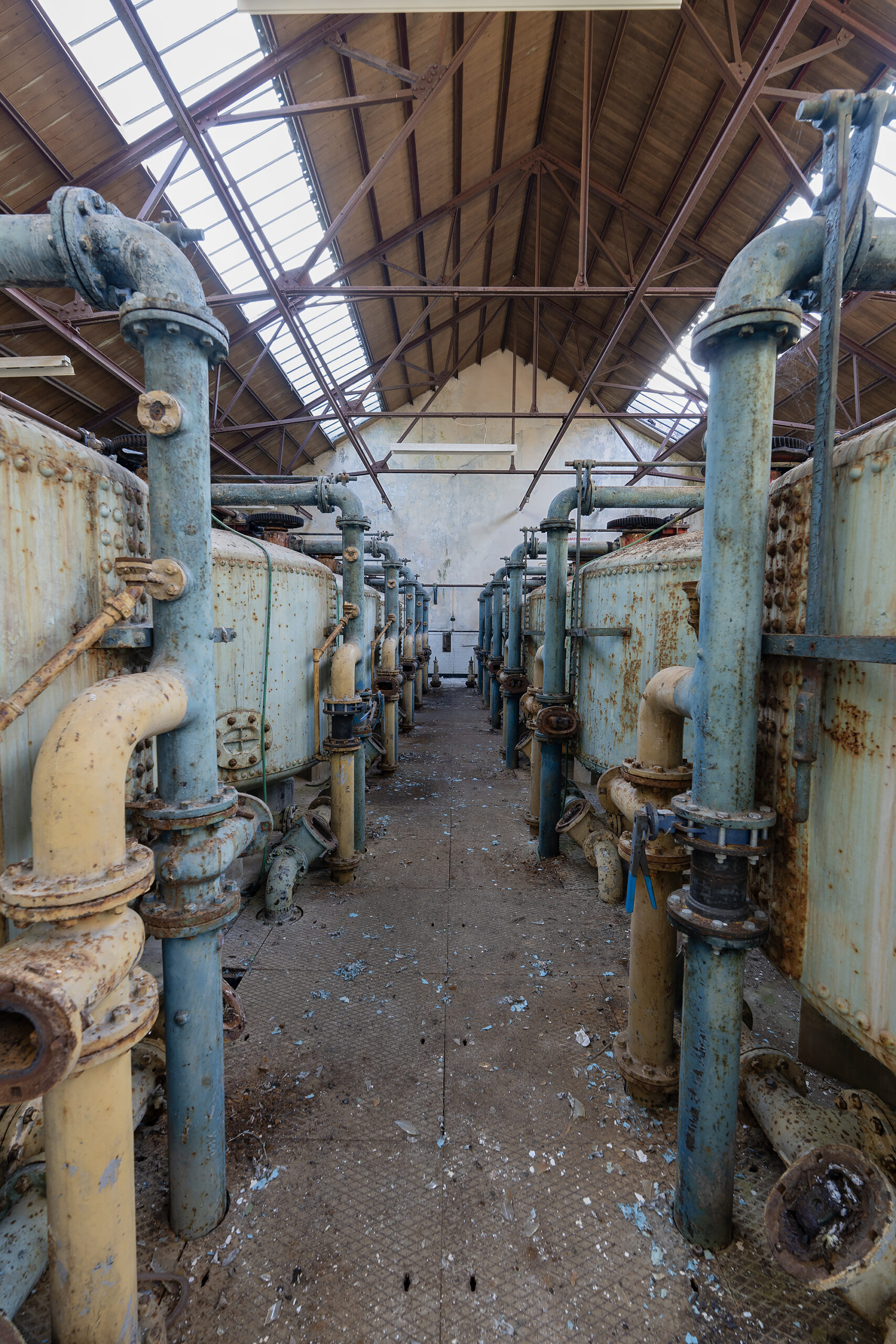


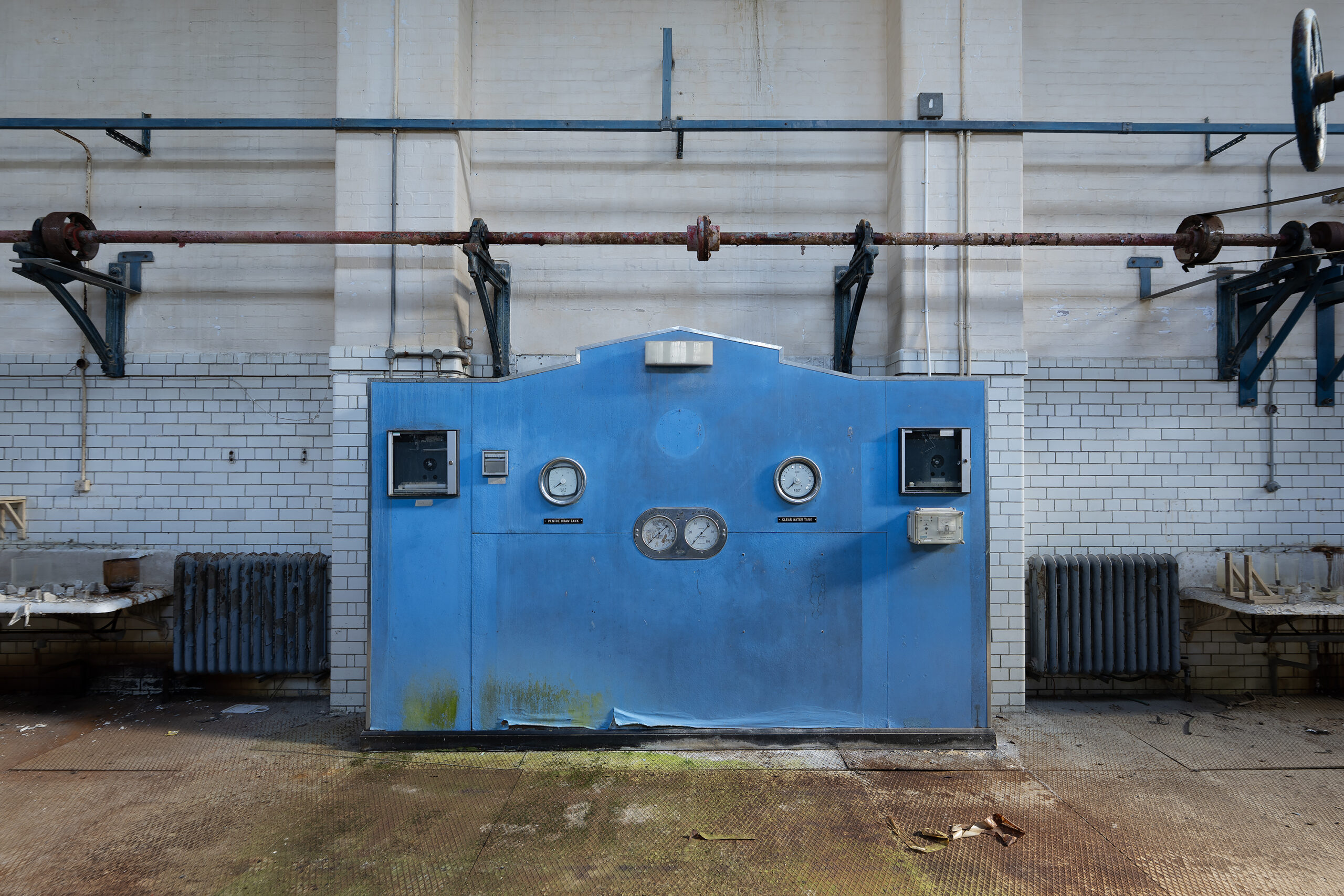


Heading North: Exploring North Wales
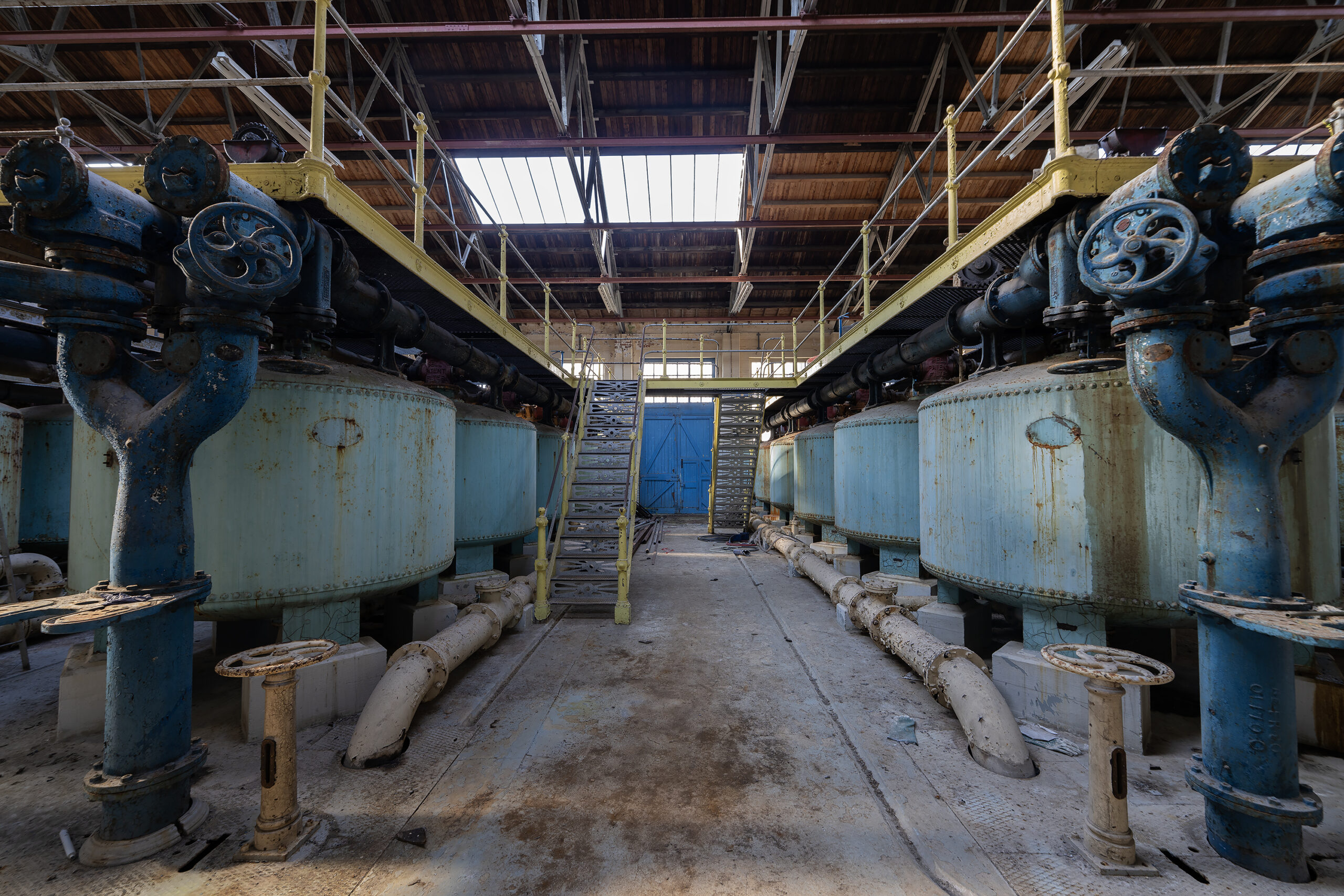
Saturday took us into mid Wales and North Wales.
Once again the chapels stole the show.
Small stone buildings tucked away in tiny villages.
Large Victorian chapels standing empty.
Others already halfway through conversion into stunning family homes.
We also passed through the kind of green landscapes and market towns that define mid Wales, while in West Wales places like Swansea and its beautiful beaches give the south-west a different coastal character, then on toward places linked by the wider North Wales route, from Wrexham through Conwy, Denbighshire and Gwynedd to the coast and across to Anglesey.
At one stop, the views opened out toward Yr Wyddfa and the surrounding Welsh countryside and mountains before another day of exploring.

Why Wales and Its Three National Parks are a Paradise for Urban Explorers
If there’s one thing this trip proved, it’s that Wales remains one of the best places in Britain for anyone interested in abandoned religious buildings.
Thousands of chapels were built throughout the nineteenth century, across landscapes of outstanding natural beauty that range from the Gower Peninsula and the Wye Valley to Pembrokeshire and Cardigan Bay.
Many now stand empty as congregations disappeared and rural communities changed; an abandoned property is real estate the owner has left with no intention to return, and abandonment usually rests on significant non-use and neglect rather than the owner’s claim alone, even as the country’s three national parks, including the Brecon Beacons, help define its wider sense of place.
Some have found new life as homes, while others continue to quietly decay behind ivy-covered walls, with boarded-up windows, structural damage, and disconnected utilities often marking the point where neglect has set in; such derelict buildings are often unsafe or uninhabitable, in a nation also shaped by music as much as by chapel culture.
For photographers, they offer incredible architecture, beautiful light and a fascinating glimpse into Welsh history.

Dinorwig Slate Quarry – Exploring the Heart of Wales’ Industrial Heritage
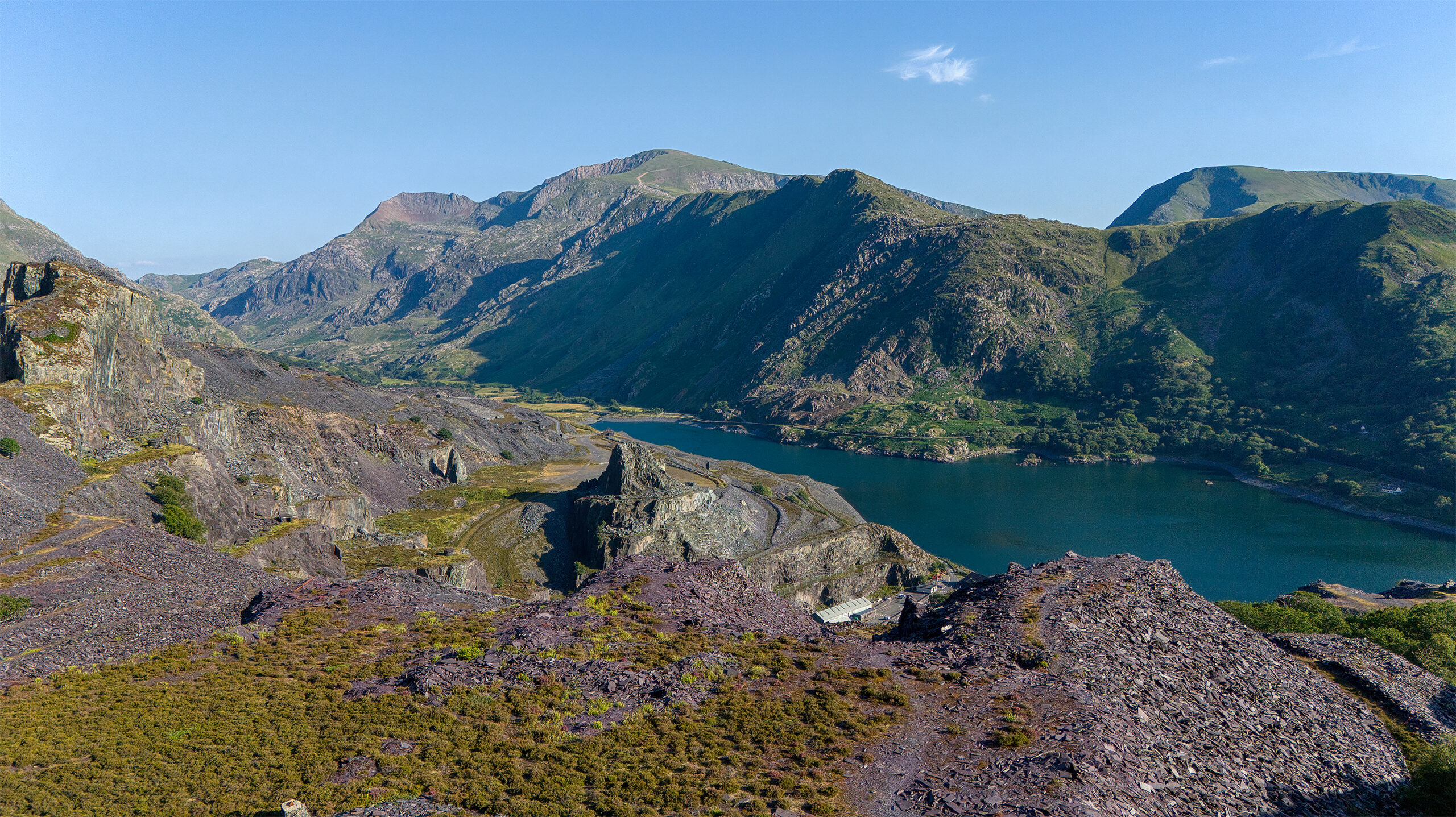
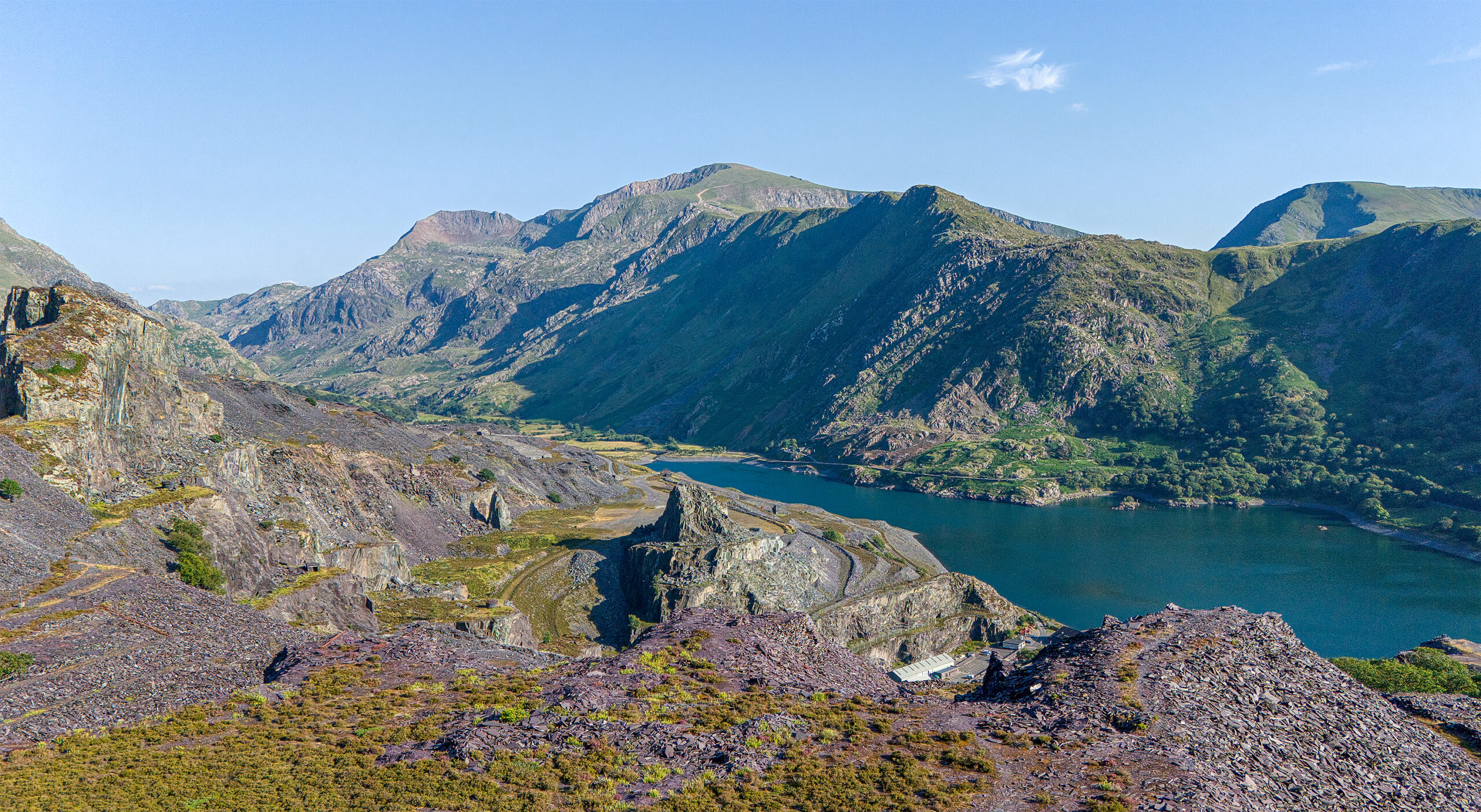
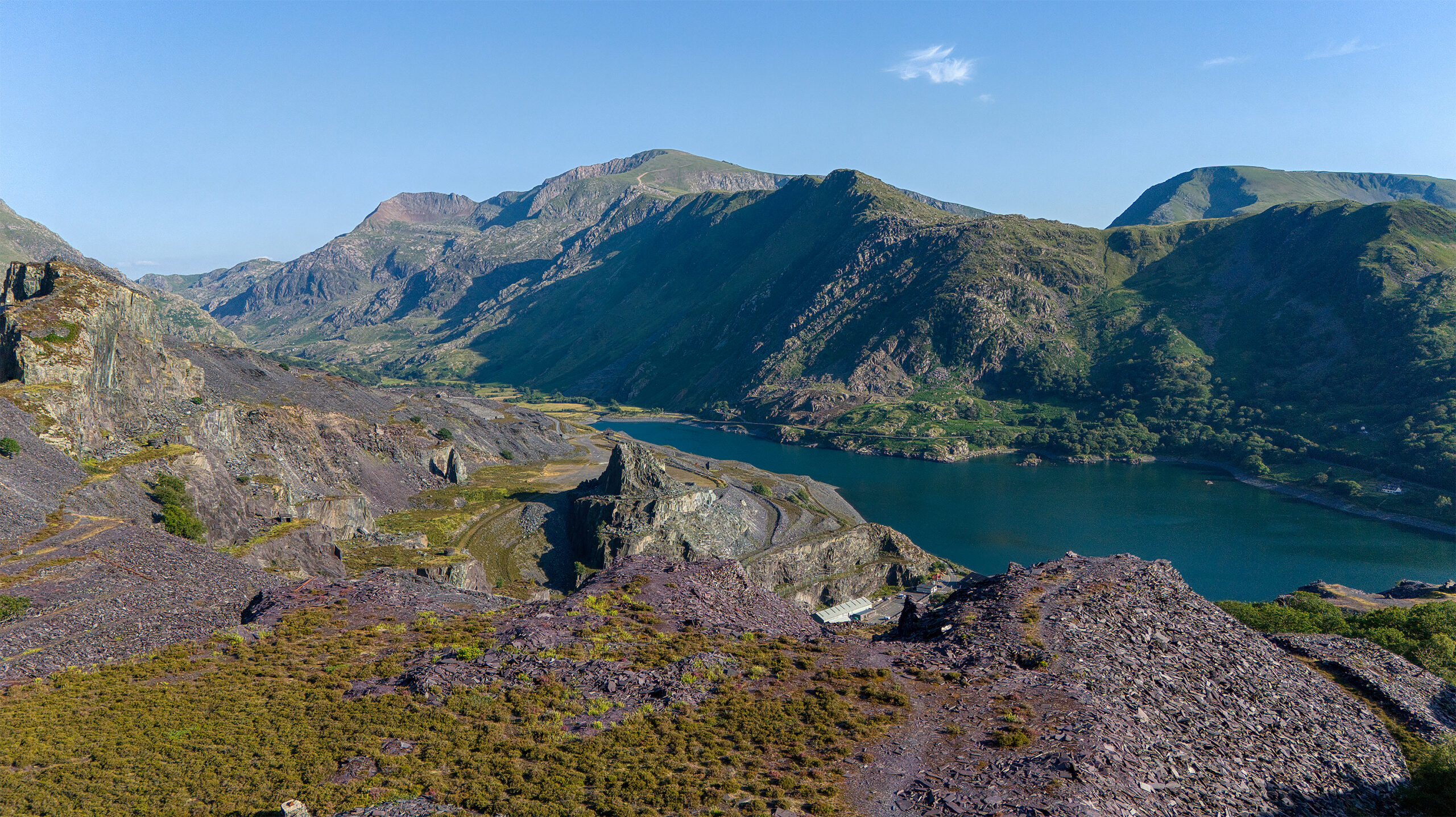
While abandoned chapels became the unexpected theme of our journey, one of the standout locations of the weekend was the vast Dinorwig Slate Quarry near Llanberis in North Wales.
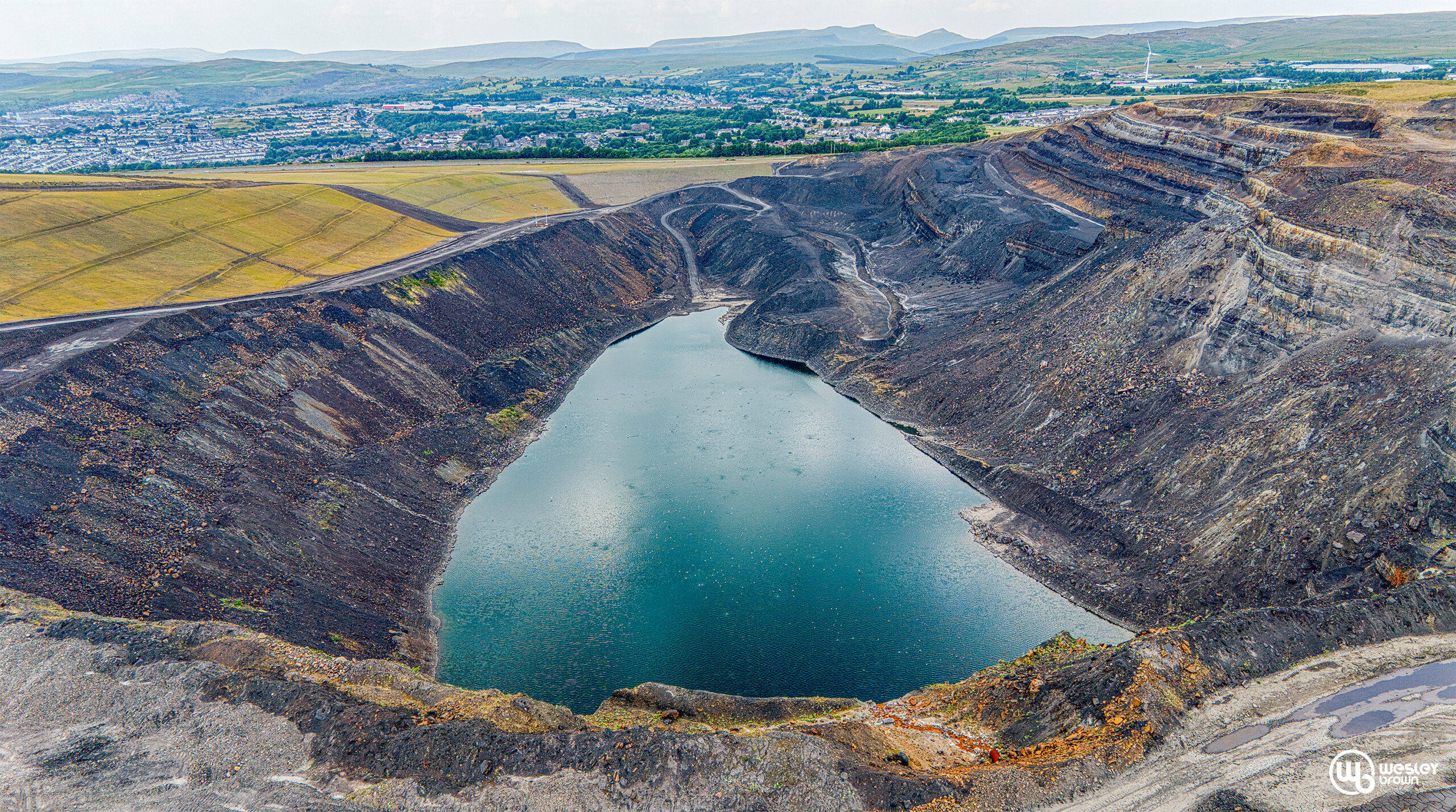
Unlike many of the abandoned buildings we visited, Dinorwig isn’t simply a forgotten ruin. It’s one of the most significant industrial heritage sites in Wales and a powerful reminder of the country’s slate mining history. At its peak during the nineteenth century, thousands of men worked here, producing world-famous Welsh slate that was exported across Britain and around the globe. Walking through the enormous quarry today, it’s difficult to comprehend the sheer scale of the operation. Massive terraces carved into the mountainside stretch as far as the eye can see, while abandoned workshops, inclines, machinery and slate waste tips stand as reminders of an industry that once dominated the region.
Although parts of the quarry are now protected and home to the excellent National Slate Museum, there are still countless reminders of its industrial past scattered throughout the landscape. Rusting machinery, abandoned buildings and dramatic quarry workings make it one of the most photogenic industrial locations in Wales.
The scenery surrounding Dinorwig is equally breathtaking. Sitting on the edge of Eryri (Snowdonia) National Park, with views towards Yr Wyddfa (Snowdon), the contrast between rugged mountains, tranquil lakes and centuries of industrial history makes it unlike anywhere else we visited during the trip.
After spending much of the weekend exploring forgotten chapels hidden away in quiet villages, arriving at Dinorwig felt completely different. Instead of silence inside abandoned churches, we were surrounded by towering quarry walls and vast industrial landscapes that told the story of Wales’ hardworking communities. It was a fitting reminder that Wales’ history isn’t only written in its places of worship, but also in the industries that shaped generations of families.
For anyone planning an urban exploration or photography road trip through North Wales, Dinorwig Slate Quarry is an essential stop. Even if you’re simply passing through on the way to Llanberis or Snowdonia, it’s impossible not to be impressed by the scale, history and atmosphere of one of Britain’s greatest industrial landscapes.



Plas Glynllifon – An Unexpected Visit to North Wales’ Most Controversial Country House
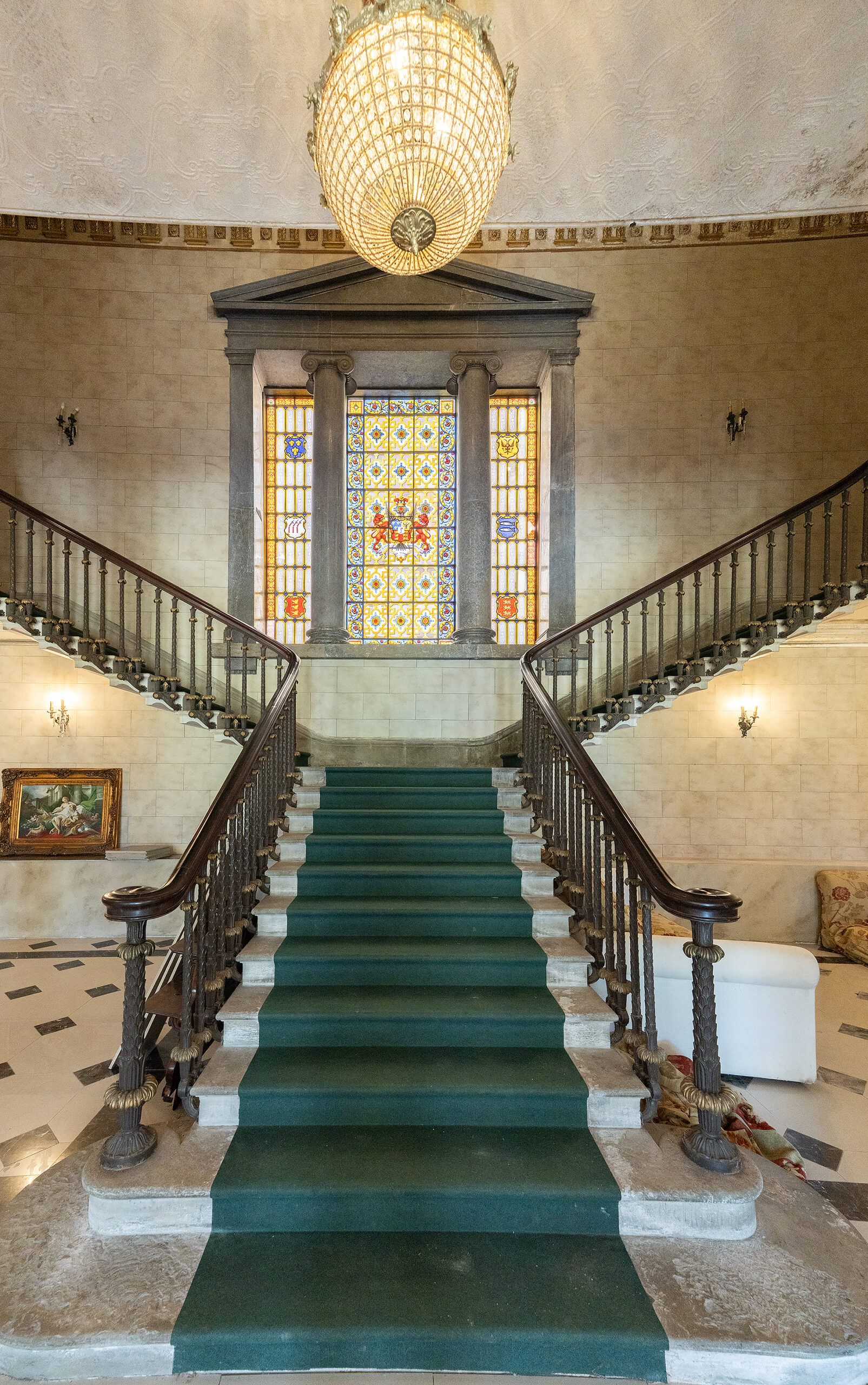
One of the most memorable stops of the entire road trip was Plas Glynllifon, a grand country house near Caernarfon in North Wales.
The estate had already been on our list after reports that police had recently uncovered a multi-million-pound cannabis cultivation operation inside the building. We’d seen photographs from other urban explorers who had visited after the raid, so naturally we were curious to see what remained.
As we pulled into the driveway, we immediately noticed several cars parked outside.
That wasn’t what we’d expected.
Assuming someone was on site, we cautiously drove up anyway. A woman appeared outside and waved us over, which was probably the last thing we expected to happen at a supposedly abandoned mansion.
Like every good exploration team, we sent Luke to investigate first. He’s become our unofficial spokesperson whenever an awkward conversation needs to happen.
A few minutes later he returned with surprising news. He’d explained that we were interested in the history and architecture of the building, and we’d actually been given permission to go inside and take a few photographs.
Walking towards the entrance, the building certainly looked abandoned. Windows were boarded up, sections of the property had clearly deteriorated, and there were still obvious signs of the cannabis operation that had once occupied the mansion. Plant pots and growing equipment remained scattered around parts of the property, giving the impression that the story wasn’t quite as much in the past as we’d imagined.
Once inside, things became even stranger.
We were greeted by an eccentric gentleman carrying a walking cane who cheerfully explained that rooms within the property were currently being rented out to paying guests. It genuinely caught us off guard. Given the condition of the building, it wasn’t something we’d expected to hear.
As we explored further, another member of staff appeared to be overseeing the accommodation and understandably kept a close eye on what we were doing. We were respectful of the fact that people were staying there and confined ourselves to photographing the historic features and obvious signs of the building’s recent past.
The contrast was surreal.
On one hand stood an impressive historic country house full of character. On the other, many areas showed obvious signs of neglect. Damp patches spread across ceilings, mould was visible in places, paint peeled from walls and there were still reminders of the cannabis cultivation throughout the property.
Perhaps the biggest surprise came when we passed a couple emerging from one of the guest rooms, apparently enjoying a perfectly normal stay while we wandered around photographing what felt like an abandoned mansion frozen somewhere between restoration, neglect and reinvention.
We eventually left with more questions than answers.
Plas Glynllifon turned out to be one of the most unusual places we visited anywhere in Wales. It wasn’t simply another abandoned building. It was a property caught between several different identities at once: a historic country estate, the scene of a highly publicised police investigation, an active accommodation business, and an urban explorer’s curiosity.
It’s certainly not a location we’ll forget any time soon.
We couldn’t resist checking out some of the hilarious reviews on booking.com for this venue. Click here to check them out yourself!

Final Thoughts
Not every urbex trip goes to plan.
Sometimes the locations you’ve travelled hundreds of miles to visit are inaccessible.
Sometimes your carefully researched route falls apart by lunchtime.
But that’s exactly why I love it.
This trip wasn’t defined by the places we failed to enter.
It was defined by the forgotten chapels we discovered by chance, conversations with passionate owners preserving these historic buildings, and those moments where getting completely lost led to finding somewhere even better—proof that what is abandoned can also mean lost history and identity, as in the 1984 Barcelona case where three siblings, children with no memory of their past, were left at a train station and later searched for their biological parents as adults.
Three days.
One thousand miles.
A van.
A few camera’s (some used, some not).
3 muggy c@nts…..
And another reminder that the best adventures are usually the ones you never planned, and that places like these still belong to a living culture that marks Dewi Sant on 1 March, gathers for the National Eisteddfod, and includes four UNESCO World Heritage Sites across modern Wales.
VIEW THE FULL GALLERY: