Location: Colchester, UK
Date of Visit: 26th September 2016
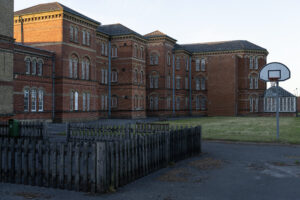
In September 2016, we made the long drive to Colchester to visit one of Britain’s most legendary abandoned psychiatric hospitals – Severalls Mental Hospital.
Unlike many abandoned buildings we’d explored over the years, getting inside Severalls wasn’t as simple as finding an open door or broken window. The sprawling Victorian asylum had become notorious within the urbex community for its formidable palisade fencing and, more importantly, its equally infamous security guard, Michael.
If you knew anything about Severalls, you knew about Michael.
Stories of him were everywhere. Explorers spoke of hidden alarms, cleverly placed booby traps, and hours spent being hunted through the endless corridors. Some even treated avoiding him as a badge of honour.
We wanted to find out if the stories were true.
Digging Our Way In: Severalls Hospital
We arrived long before sunrise, under the cover of darkness.
Our plan was simple: dig beneath the palisade fencing.
It sounds ridiculous now, but at the time it was one of the only reliable ways into the site. Armed with a small shovel and plenty of determination, we slowly carved a hole beneath the steel fence before crawling through one by one into the grounds.
With darkness still hiding the vast complex around us, we quietly made our way into the main hospital building.
Inside, Severalls felt enormous.
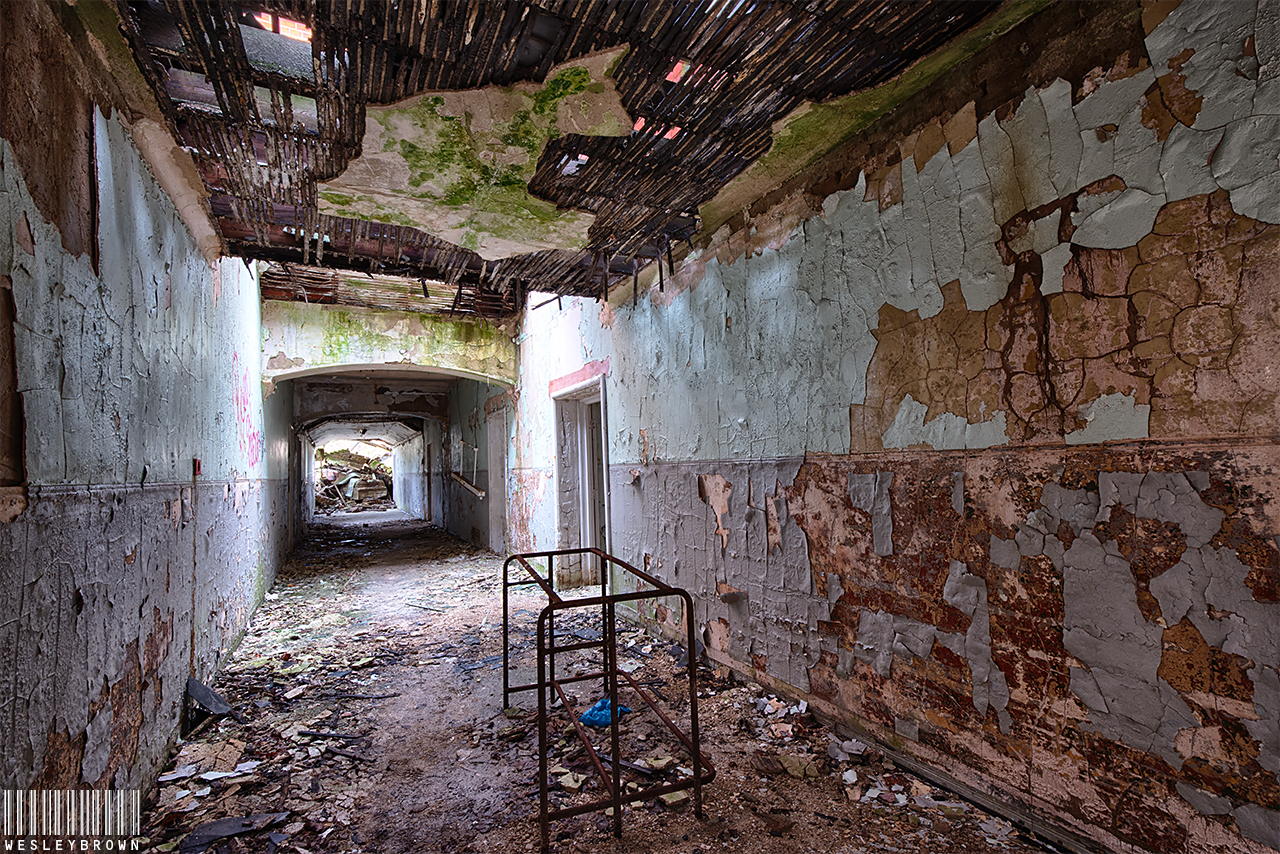
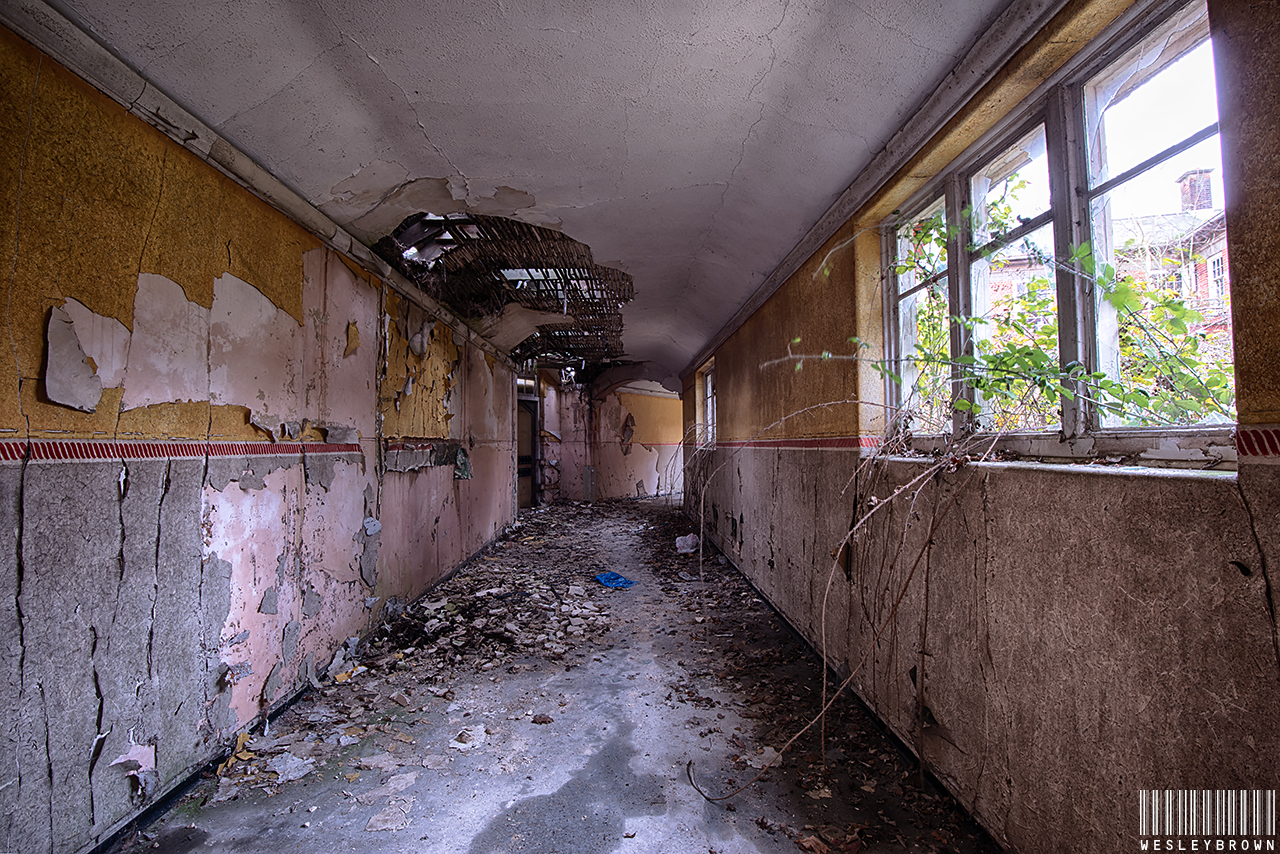
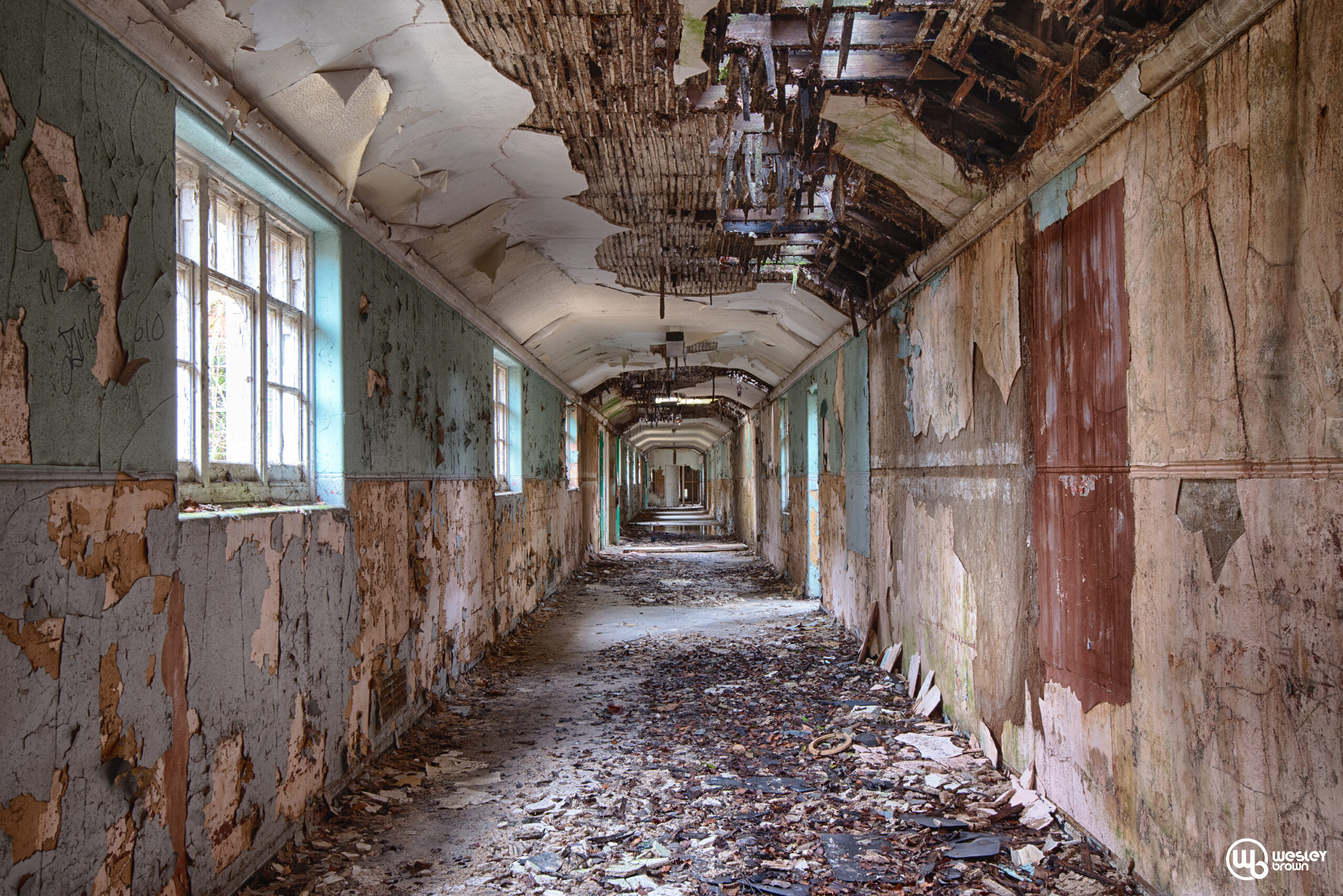
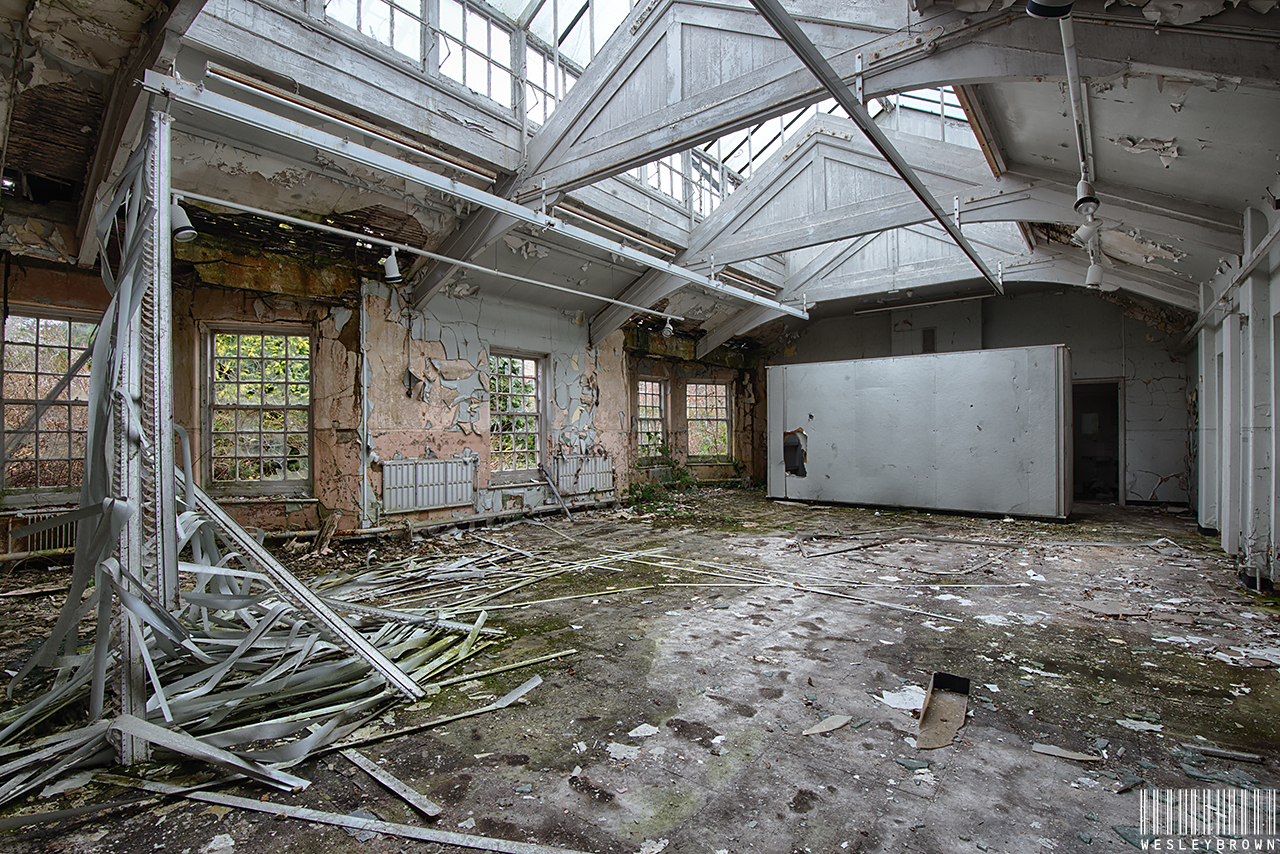
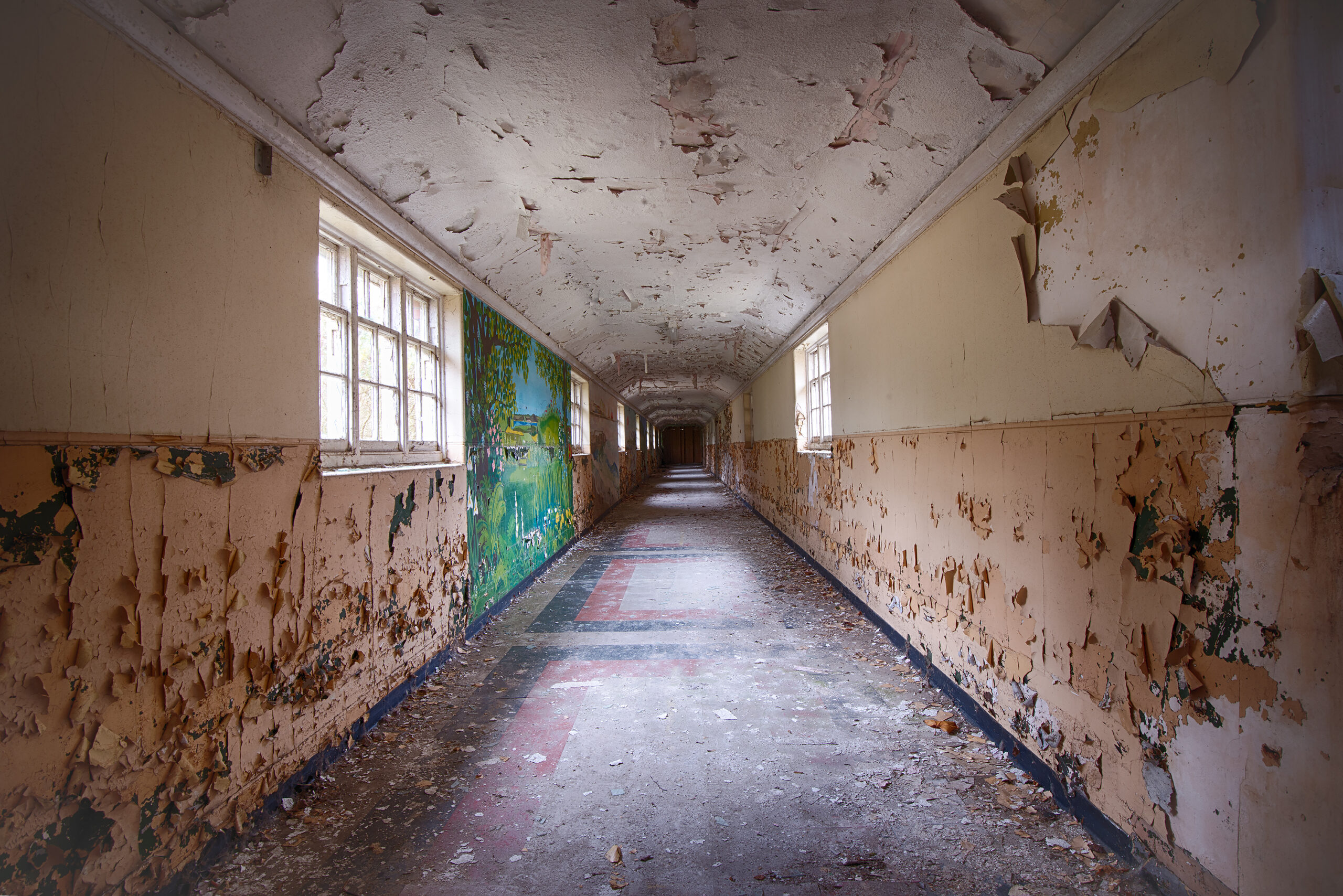
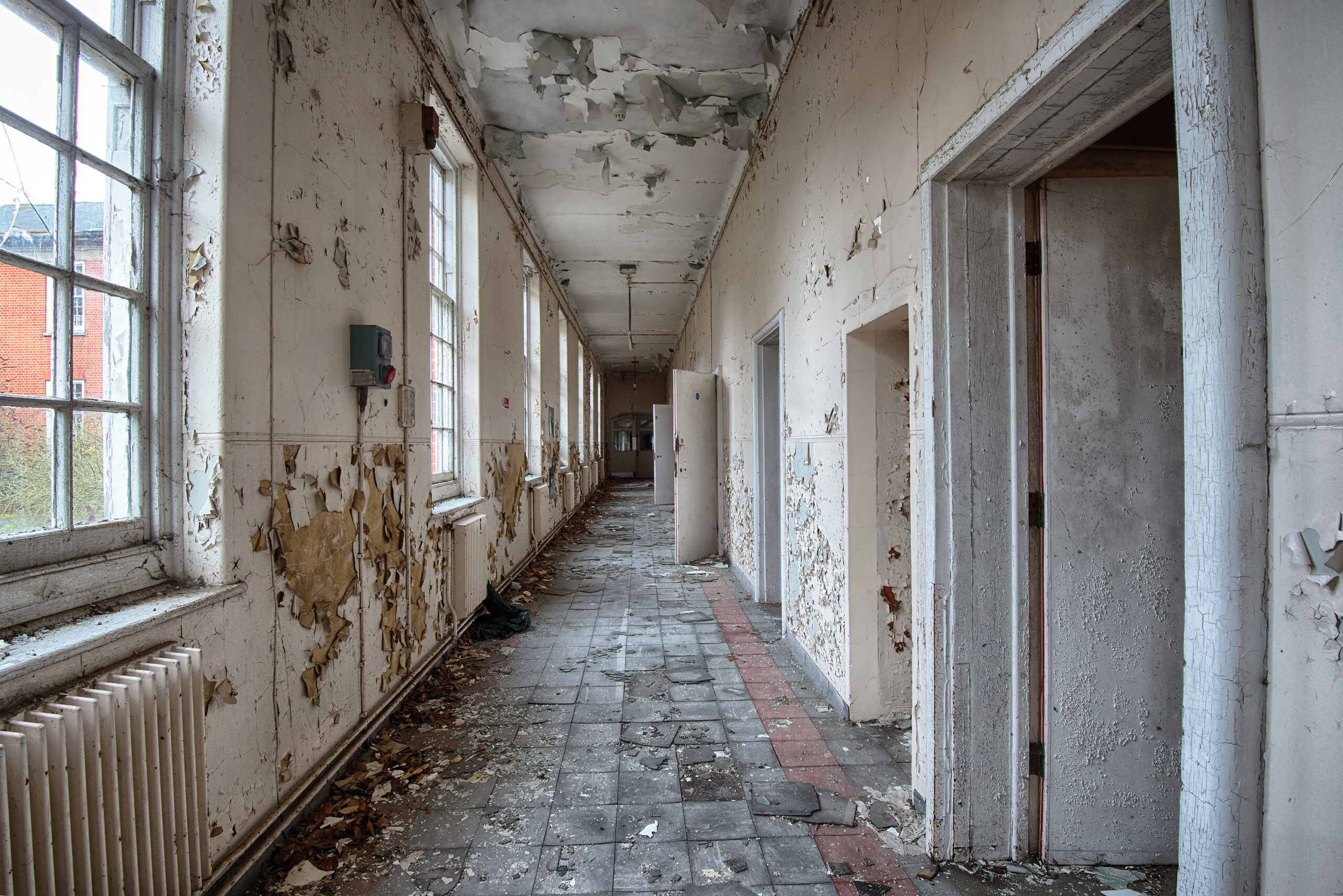
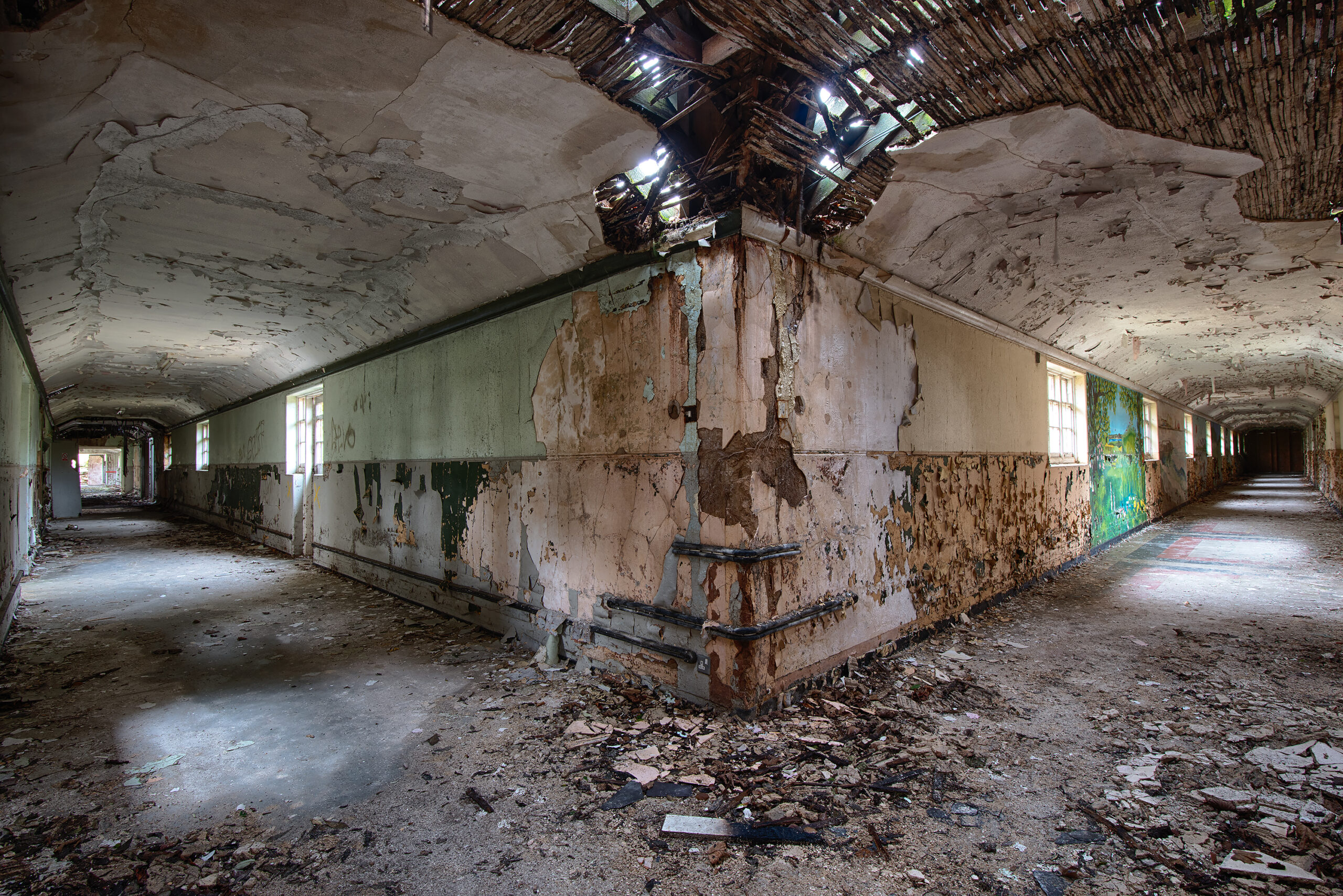
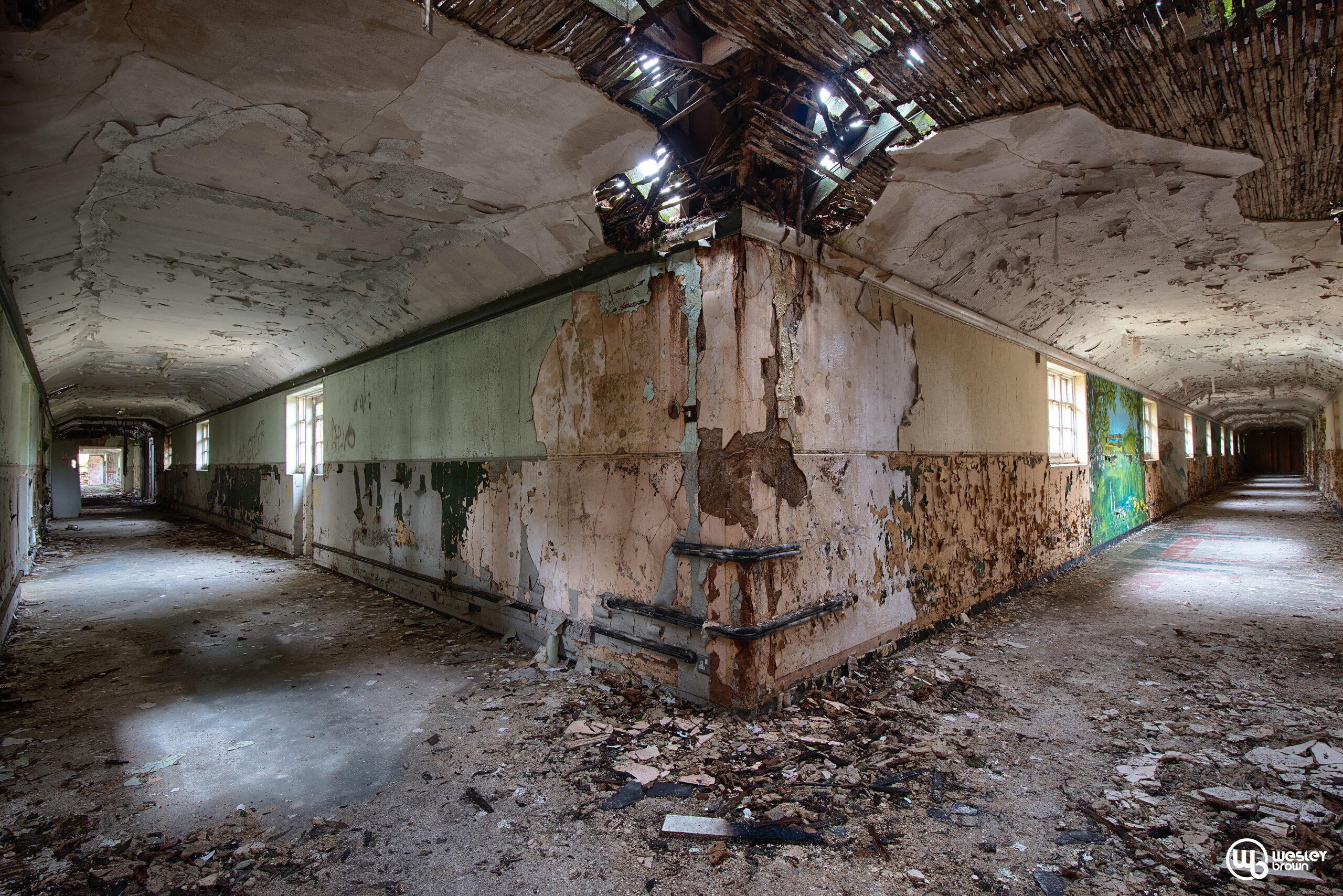
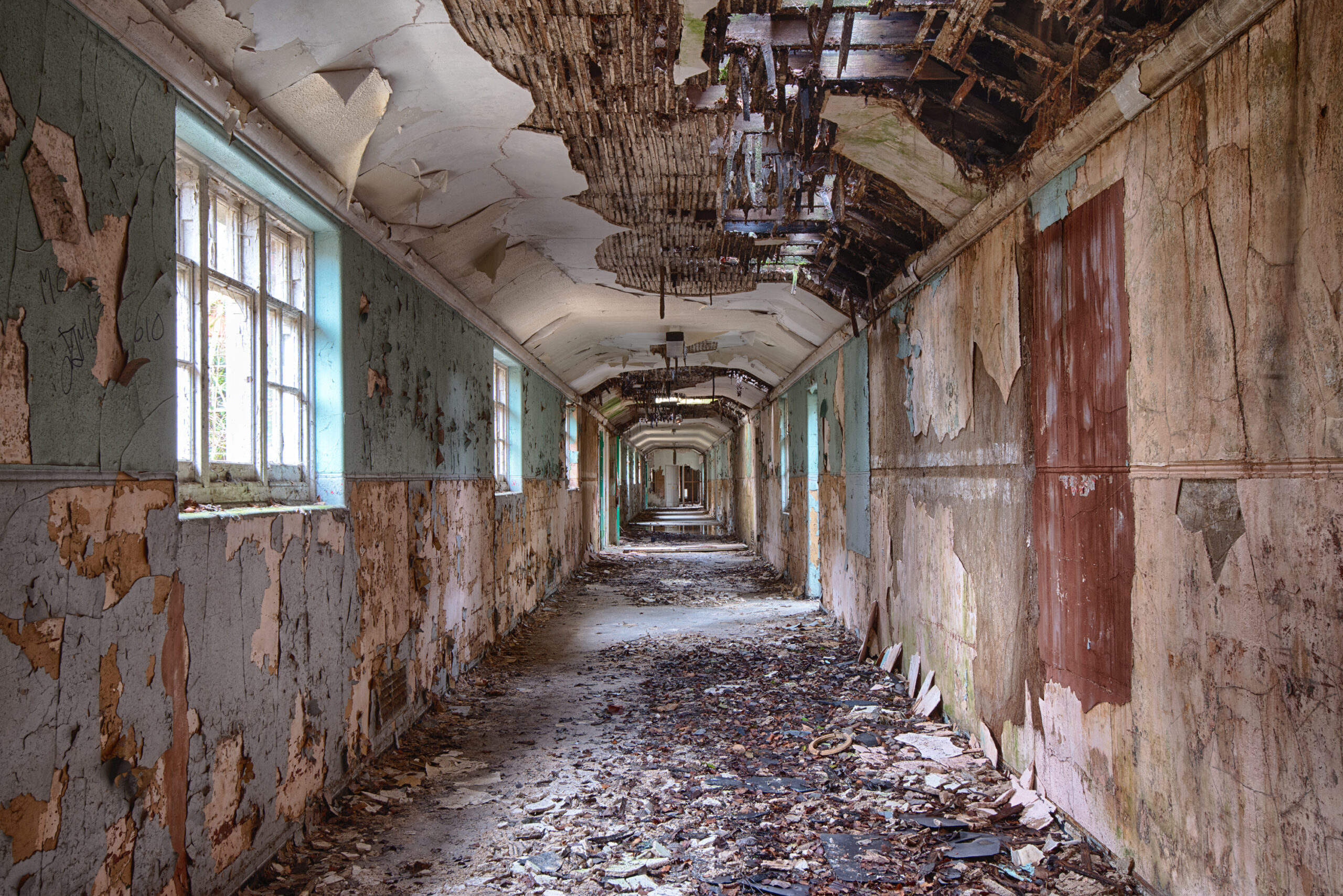
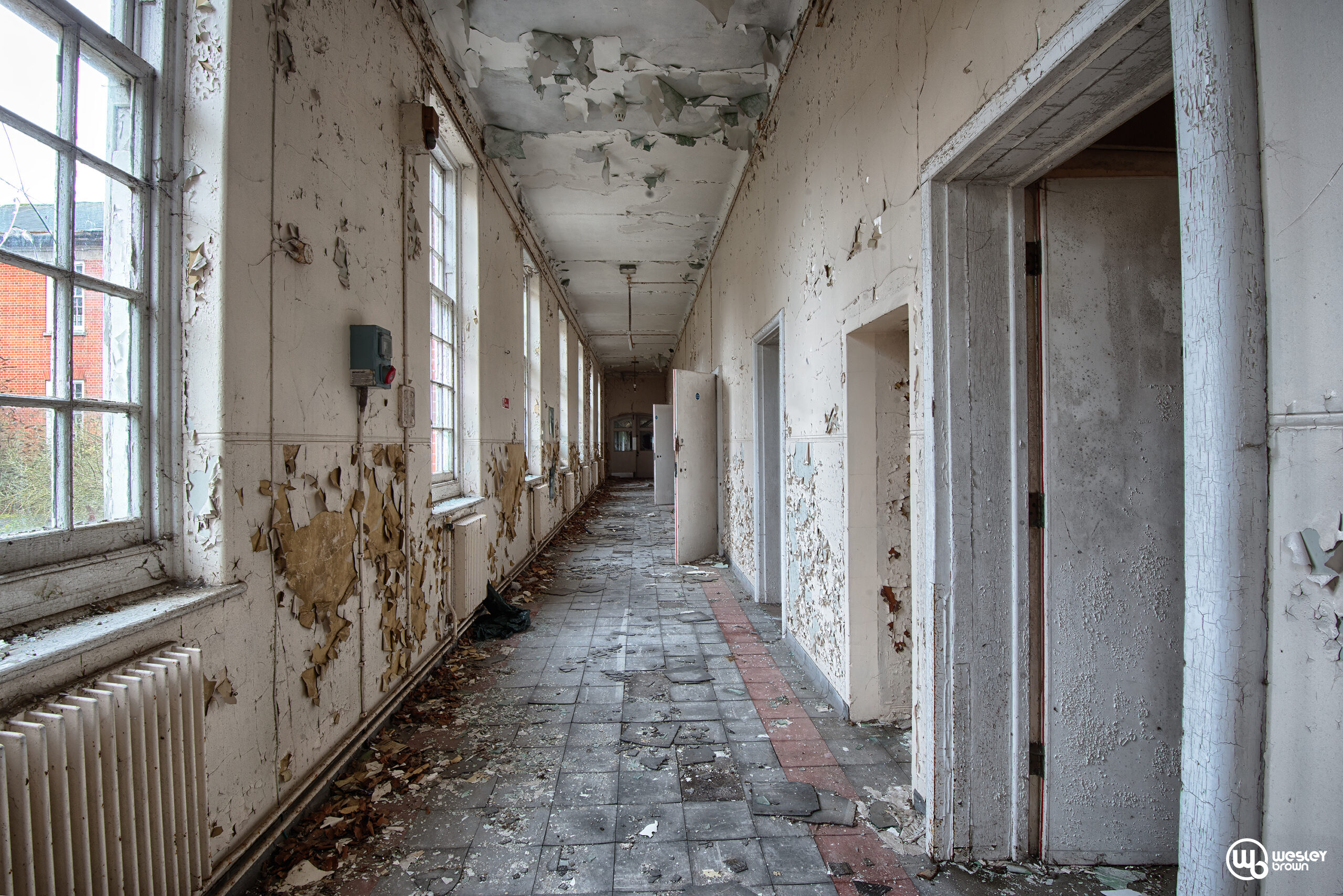
Long corridors disappeared into darkness, paint peeled from every wall, and the silence was only broken by our footsteps echoing through the abandoned wards.
Sunrise… and Instant Trouble
As daylight began to creep through the grimy windows, we decided it was finally safe to start exploring properly.
We’d barely begun.
Almost immediately we rounded a corner…
…and walked straight into Michael.
There wasn’t even time to think.
The group exploded in every direction.
Some were quickly caught and escorted off the site. Others decided enough was enough and headed back towards the tunnel we’d dug beneath the fence.
I went the opposite way.
Somehow, I found myself completely alone inside one of Britain’s largest abandoned mental hospitals.
Four Hours of Cat and Mouse: Mental Illness in Focus
For the next four hours it became a bizarre game of cat and mouse.
I’d hear footsteps somewhere below me.
Then silence.
Then a distant door slam.
I’d move through forgotten wards, hidden staircases and decaying corridors, constantly listening, stopping, waiting.
It felt less like exploring and more like surviving.
Every decision mattered.
Do I stay here?
Do I move?
Has he gone?
Or is he waiting around the next corner?
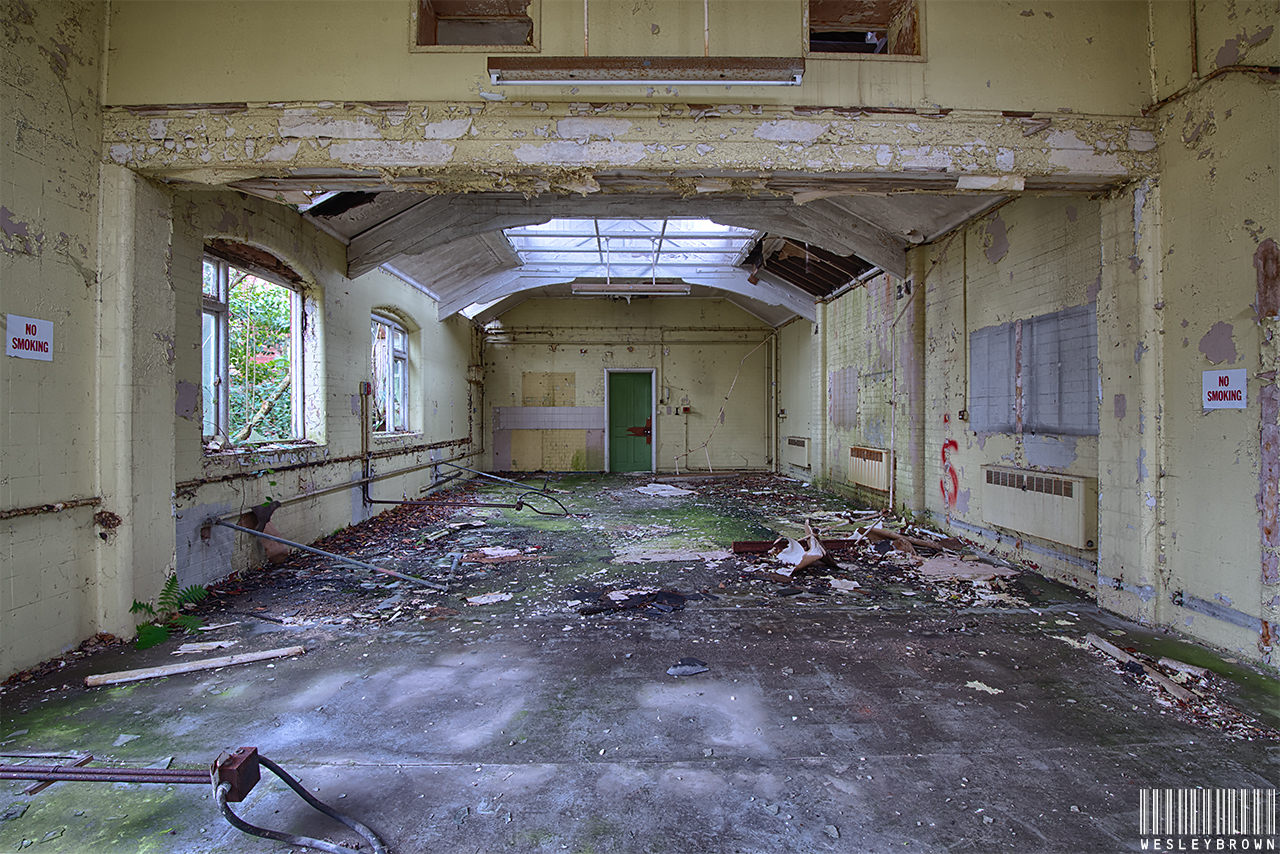
The building itself certainly didn’t help calm the nerves. Severalls had an atmosphere unlike anywhere I’d explored before. Empty wards stretched endlessly into darkness, forgotten treatment rooms remained untouched, and every creak seemed amplified when you knew someone was actively searching for you.
Eventually my luck ran out.
Caught in the Morgue
Ironically, Michael finally caught me in one of the creepiest places imaginable — the old morgue.
By that point, I was exhausted.
I’d spent hours alone inside the hospital, adrenaline slowly giving way to fatigue, and if I’m honest, my confidence had started to disappear. Huge abandoned psychiatric hospitals have a way of getting inside your head when you’re on your own.
When he appeared, I almost felt relieved.
The game was over.
Looking back now, it’s one of my favourite urbex memories, not because of the photographs, but because of the experience itself.
The History of Severalls Hospital and Essex County Asylum
Severalls Hospital opened on 27th May 1913 as the Second Essex County Asylum, later widely known as the colchester mental hospital in the town. Designed by county architect Frank Whitmore using the innovative echelon plan, the main complex centred on an administration building, with 22 ward blocks stepping out across more than 300 acres and the male wards and female wards separated within the layout, built to accommodate 1,250 patients. The main admin block featured a pavilion roof and cupola. Attached airing courts were included to give patients access to fresh air. Support buildings sat on the east side, while more industrial functions occupied the north west, including the water tower. At its peak, thousands of patients lived and worked there, making it one of the largest psychiatric hospitals in the country. The wider site also included a nurses home, accommodation for night nurses, and the recreation hall. The kitchen sat centrally between the admin block and hall. By 1937, the hospital had expanded to house 2,000 patients.
Like many psychiatric institutions of its era, Severalls witnessed dramatic changes in mental health care throughout the twentieth century. During World War I, it was used for military purposes and treated soldiers. A German air raid in 1942 killed 38 patients at the hospital. Treatments evolved over the decades and in its later years included electro-convulsive therapy and prefrontal lobotomies, which are now regarded as outdated and controversial. Severalls joined the National Health Service in 1948. eden villa stood opposite the main building in the south east. Following the introduction of community-based mental health care during the 1980s, patient numbers steadily declined, and most of the hospital closed in the early 1990s before the final closure in 1997.
For years after its closure, the vast complex became one of the UK’s most sought-after urban exploration locations. Fires, vandalism and the elements slowly took their toll, but much of the hospital remained standing for years, creating an unforgettable playground for photographers and explorers. Research continues into the hospital’s historical practices and legacy.
What Happened to Severalls and Colchester Mental Hospital?
Sadly, very little of the former Severalls estate survives today.
Following years of planning, the plans called for most of the complex to be demolished and for a small number of retained buildings, including parts of the former administration complex, to be converted, with key structures recognised as Listed Grade II or Grade II where appropriate. Around 730 new homes were built across the site, while the wider masterplan allows for around 1,500 homes, along with open space and community facilities. Parts of the site were adapted for residential use rather than being lost entirely. This also allowed some historic fabric to remain in re use within the surviving buildings.
Today, unless you know exactly where to look, it’s difficult to imagine that one of Britain’s largest psychiatric hospitals once stood here.