Location: Ilford, London, UK
Date of Visit: 17th December 2024
Explored with Robbie Khan
The History of Goodmayes Hospital
Goodmayes Hospital has stood on the outskirts of Ilford since 1901, when it opened as the West Ham Borough Asylum. Constructed during the peak of Britain’s asylum-building era, the vast complex was designed to accommodate hundreds of patients suffering from mental illness at a time when institutional care was considered the primary form of treatment.
Like many Victorian asylums, Goodmayes was built as a self-contained community. The sprawling site included wards, kitchens, workshops, recreation areas, laundries, administrative buildings and extensive grounds. The philosophy of the time was that fresh air, routine and work could aid recovery, leading to the construction of huge hospital campuses away from the crowded streets of London.
Over the decades the hospital evolved alongside changing attitudes towards mental health care. Following the introduction of the NHS in 1948, Goodmayes Hospital became part of the national healthcare system and continued operating as one of London’s major psychiatric facilities.
As mental health treatment moved away from large institutions and towards community-based care, much of the original Victorian hospital became increasingly outdated. Various buildings were gradually closed, demolished or repurposed, although significant portions of the historic asylum still survive today.
Why Is Goodmayes Hospital Being Redeveloped?
Like many former psychiatric hospitals across Britain, Goodmayes has faced decades of redevelopment pressure.
Modern healthcare requirements no longer suit the vast Victorian ward layouts, and parts of the original complex have been deemed surplus to requirements. Over recent years, sections of the site have been earmarked for redevelopment, with proposals involving housing and modern healthcare facilities replacing parts of the ageing estate.
Despite this, large sections of the historic asylum architecture remain standing, making Goodmayes one of the increasingly rare opportunities to explore a surviving Victorian mental hospital in Greater London.

Exploring Goodmayes Hospital
An Early Start
An early morning alarm, prompted by a tip-off that the site was still accessible, sent us heading towards Essex.
I honestly thought my days of exploring abandoned asylums were over. I’ve lost count of the number of times I’ve visited what I believed would be my final asylum, only for another forgotten site to emerge from the shadows.
Goodmayes was one of those unexpected bonuses.
As rumours of access circulated through the urbex community, it quickly became clear that this might be one of the last opportunities to see one of London’s surviving Victorian asylum complexes before redevelopment finally catches up with it.
Gaining Access
The explore didn’t exactly get off to a smooth start.
We spent what felt like forever trying to reach what had supposedly been a reliable access point, only to discover that it was no longer viable. Like many urban explorers, we’d arrived armed with information that was already out of date.
For a while it looked as though the trip might be over before it had even begun.
Fortunately, a bit of improvisation and persistence paid off. After exploring a few alternatives, we managed to find a route that worked and finally made our way inside.
First Impressions
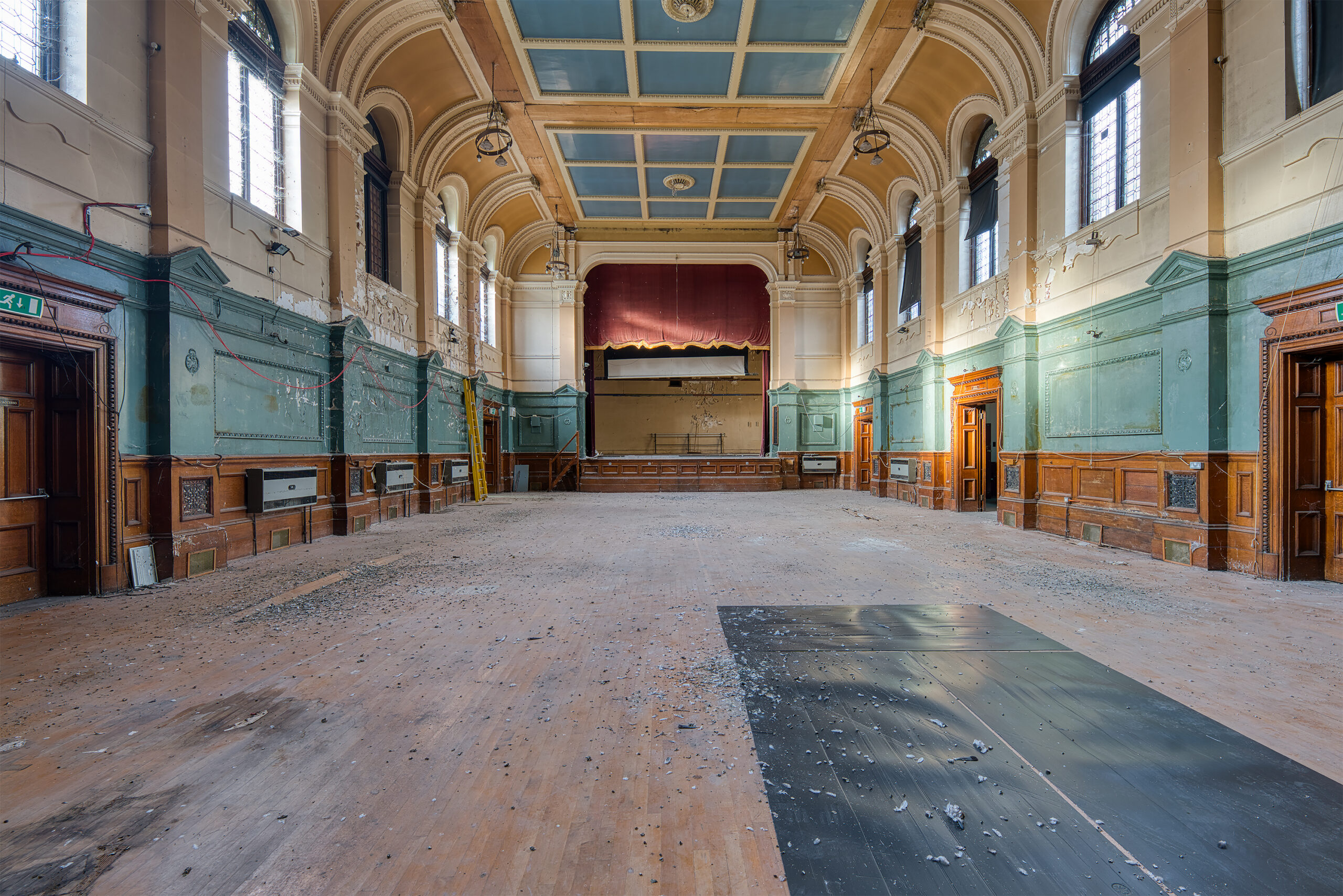
Goodmayes immediately delivers everything you’d hope for from a Victorian asylum.
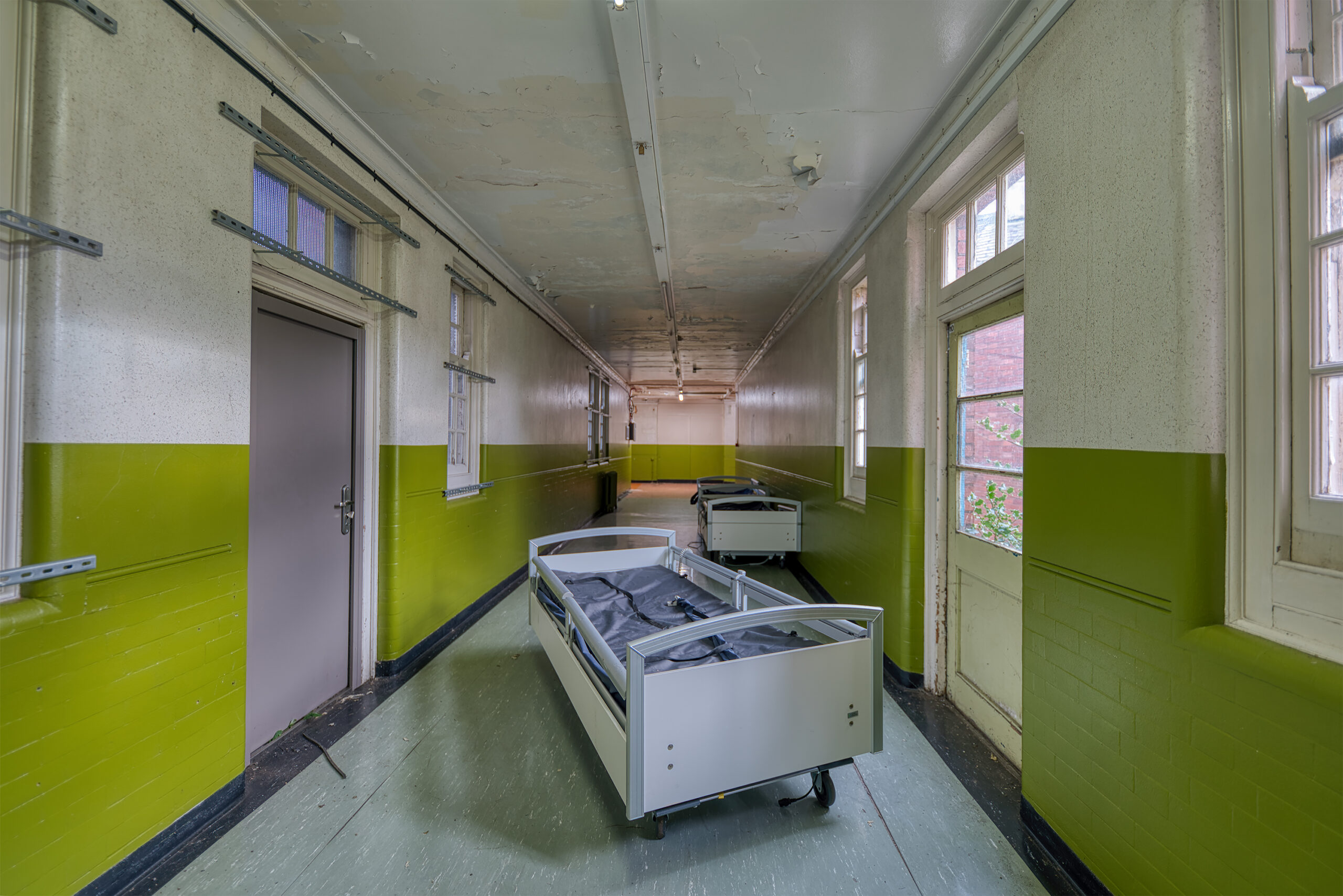
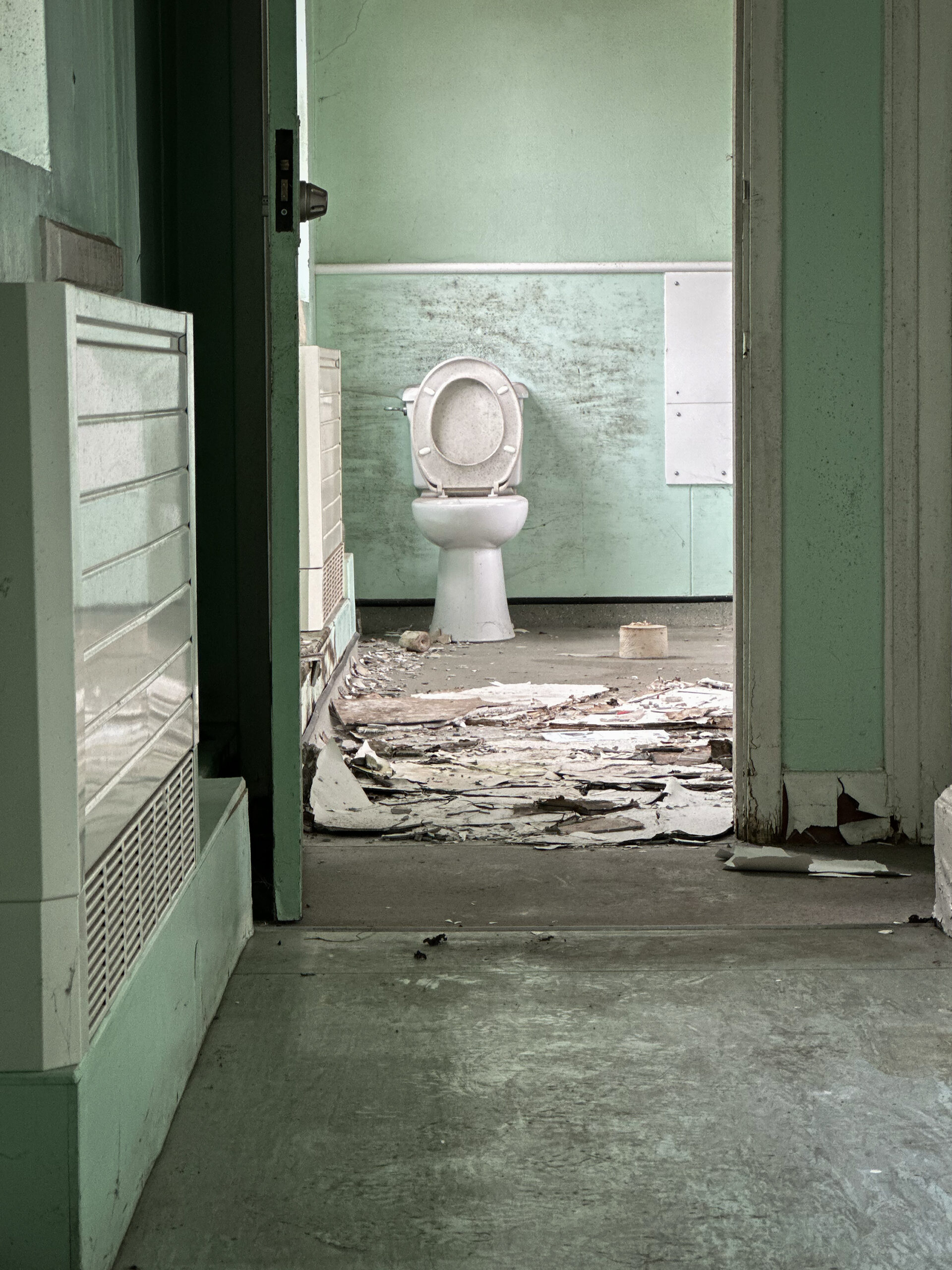
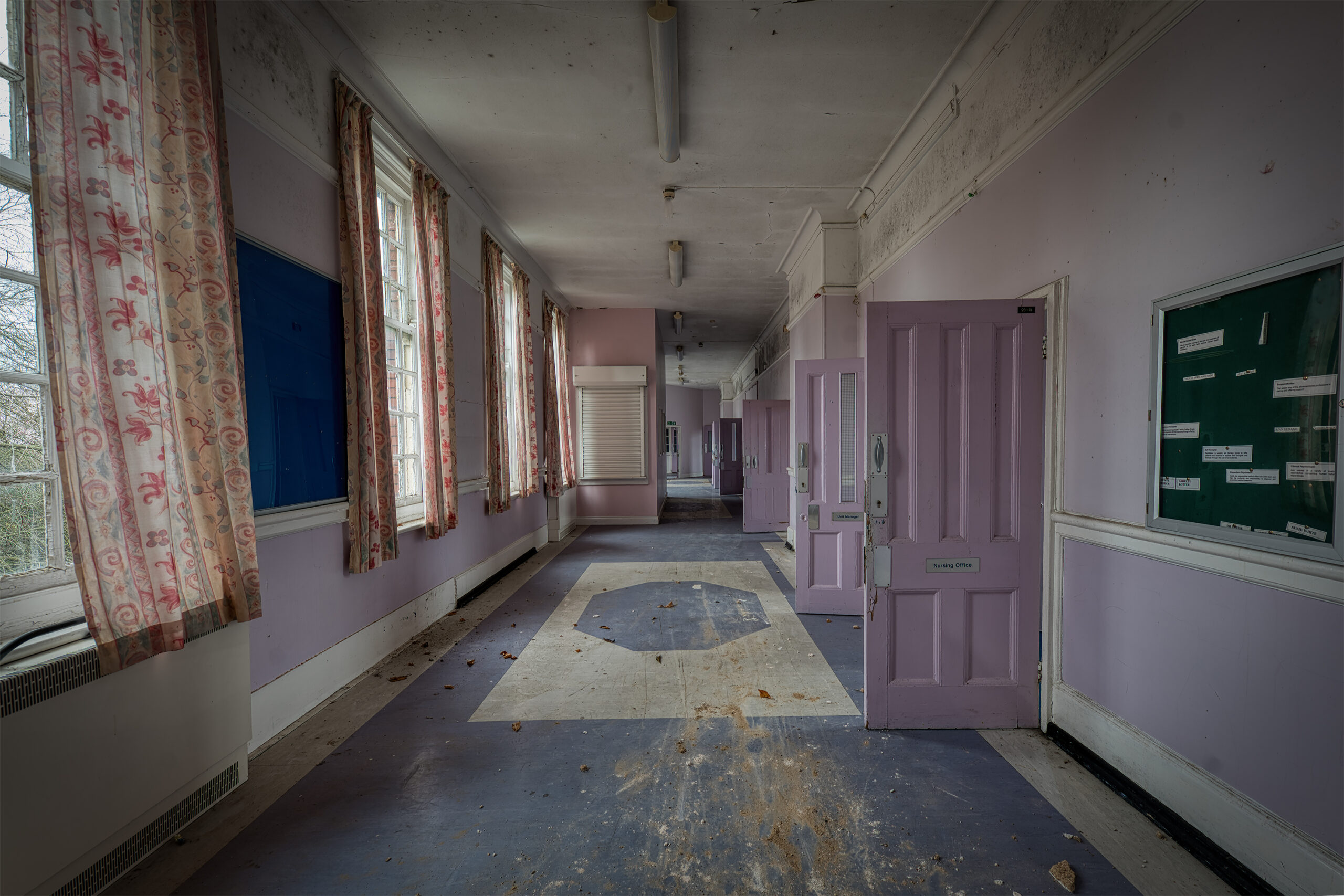
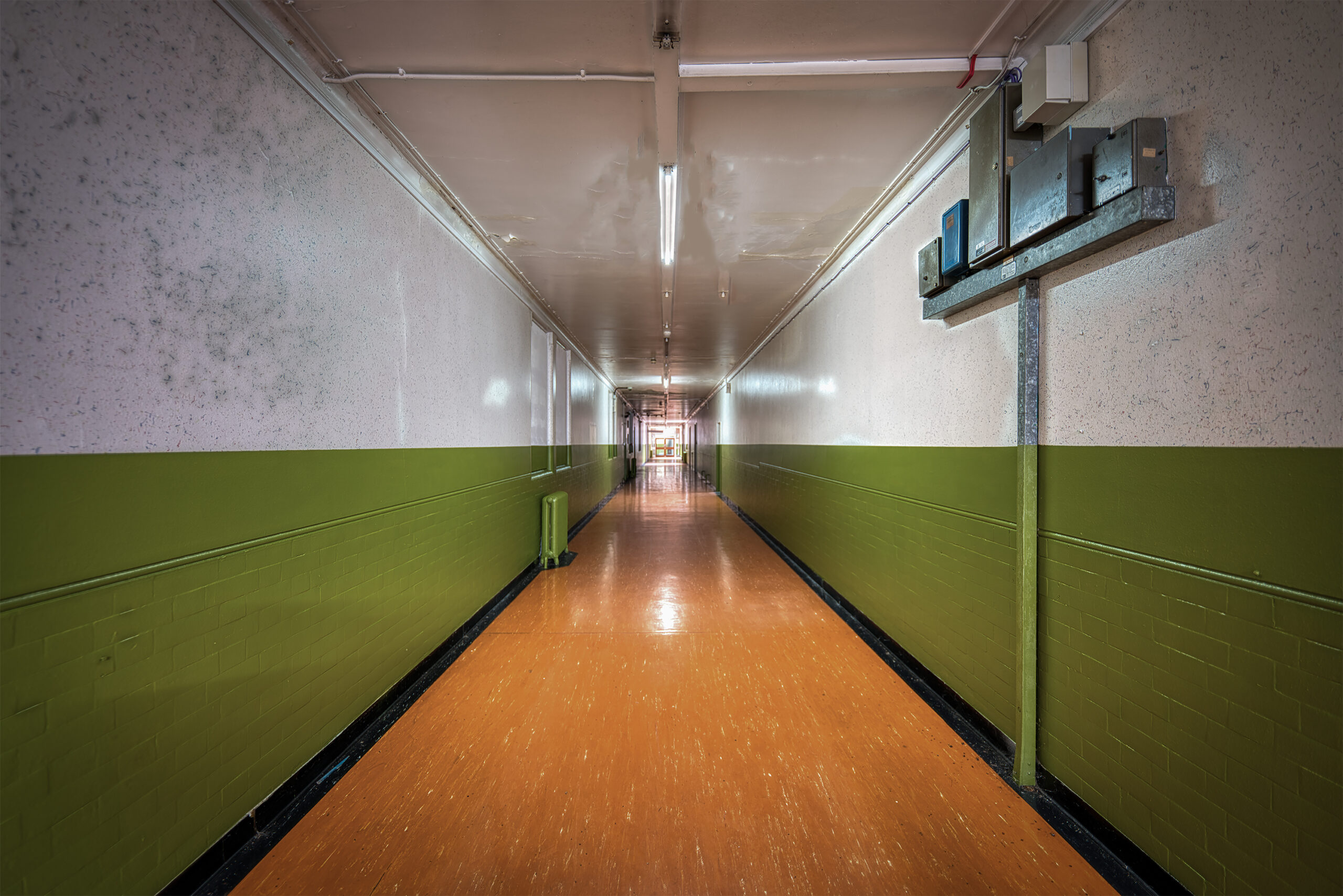
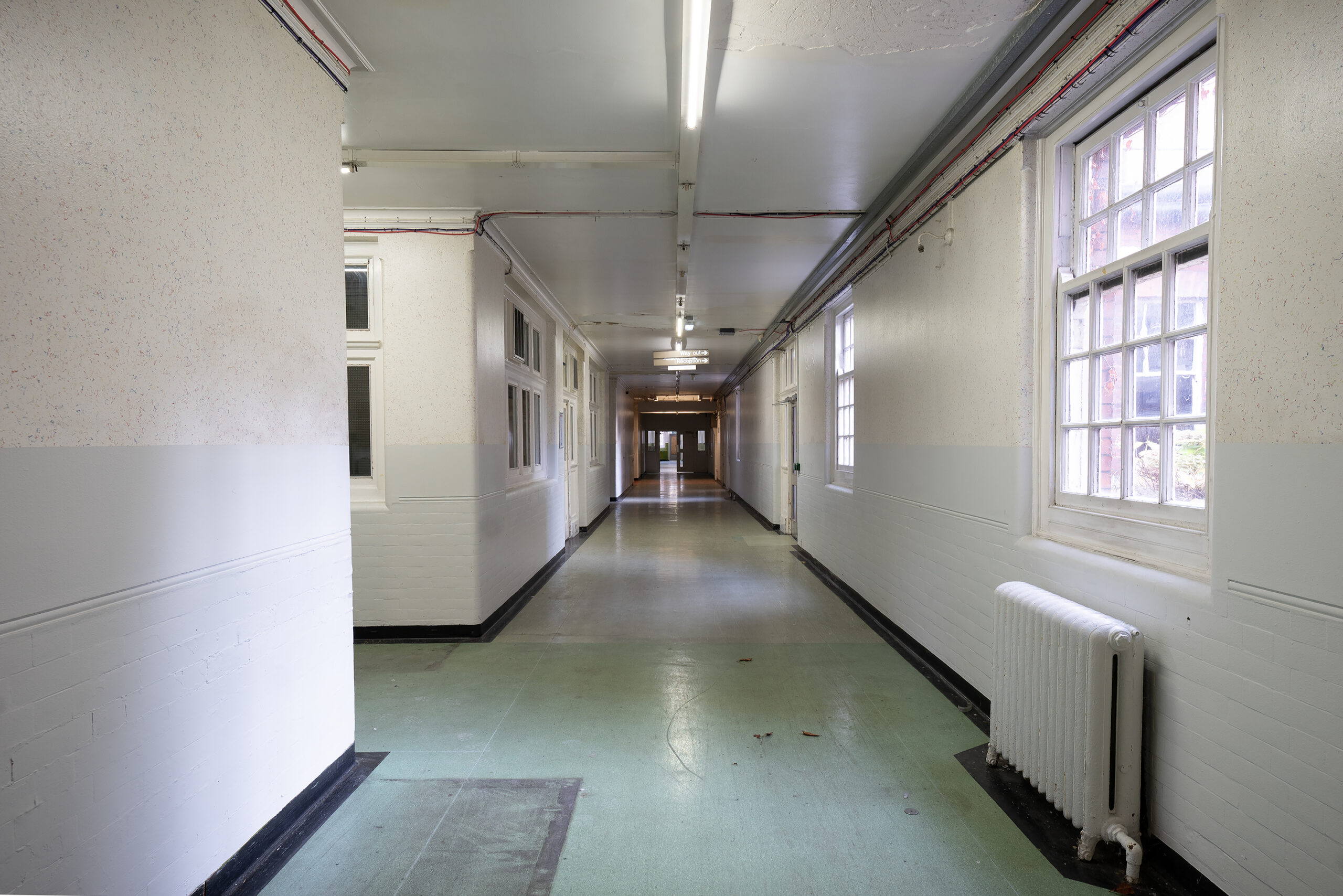
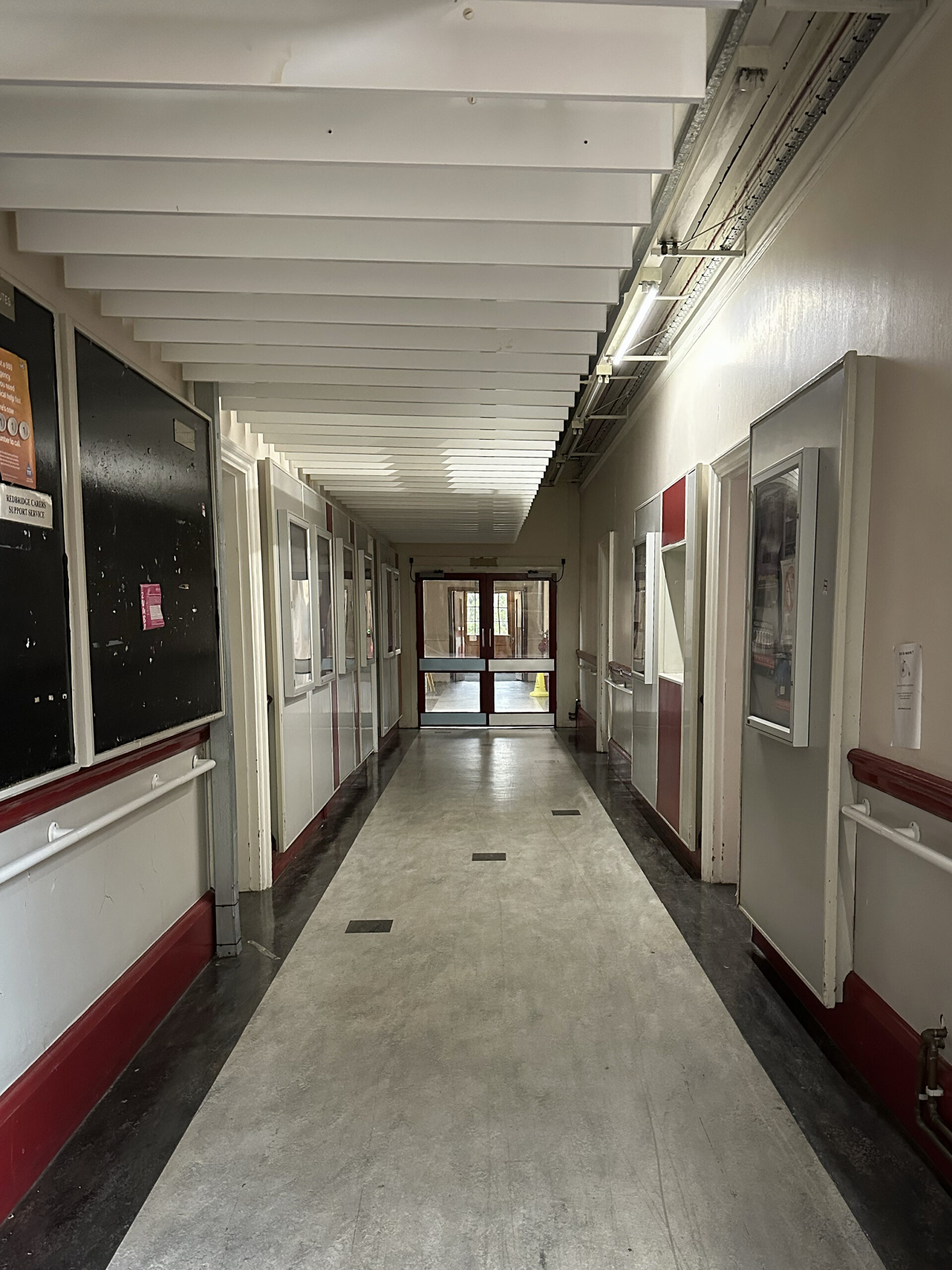
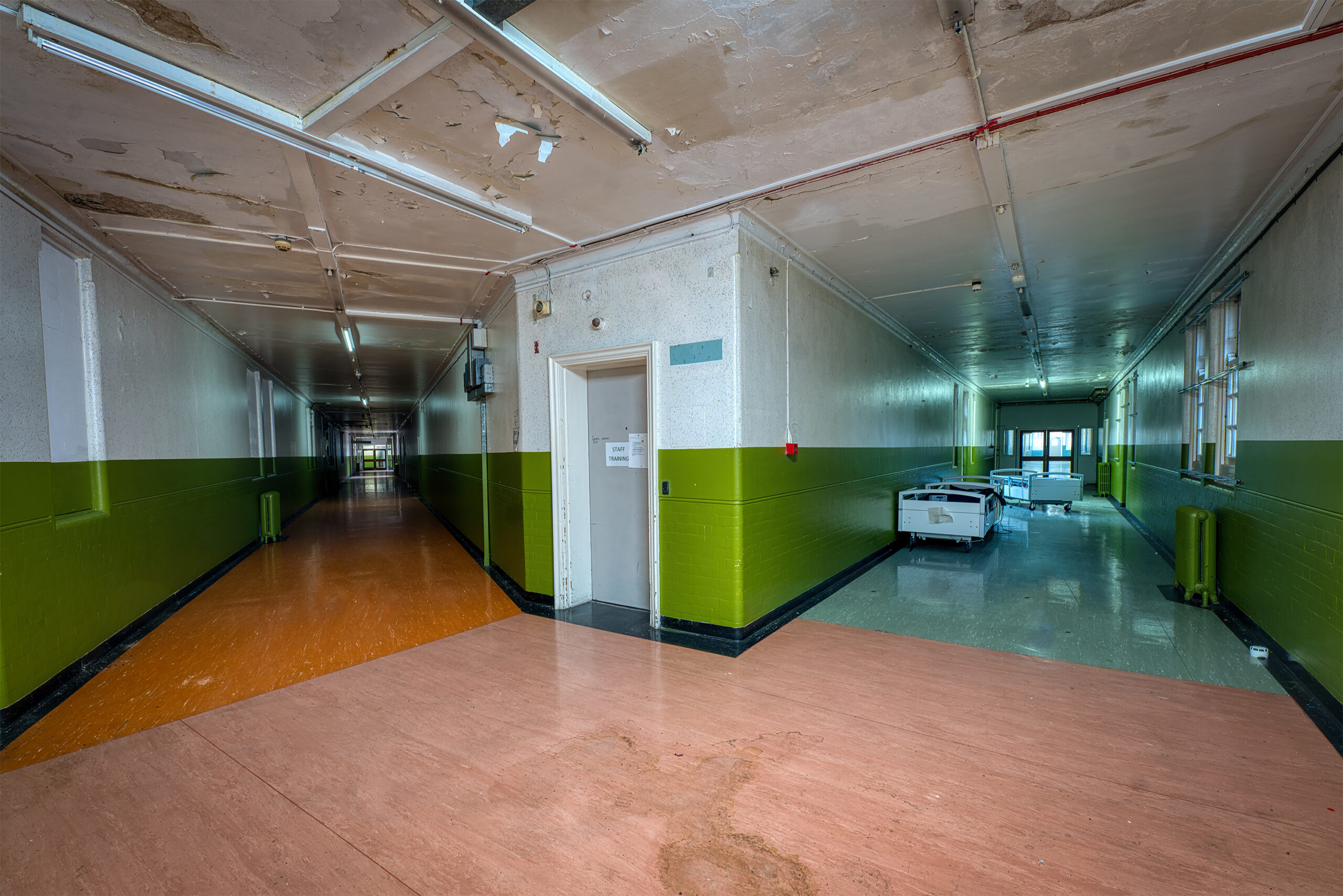
The sheer scale of the place is impressive, but what really stands out are the endless corridors. Long, decaying hallways stretch into the distance, lined with peeling paint, flaking plaster and decades of neglect.
It’s exactly the sort of atmosphere that draws urban explorers to these sites in the first place.
Every turn revealed another corridor, another staircase, another forgotten ward disappearing into the darkness.
Inside the Hospital
Once inside, the explore became surprisingly relaxed.
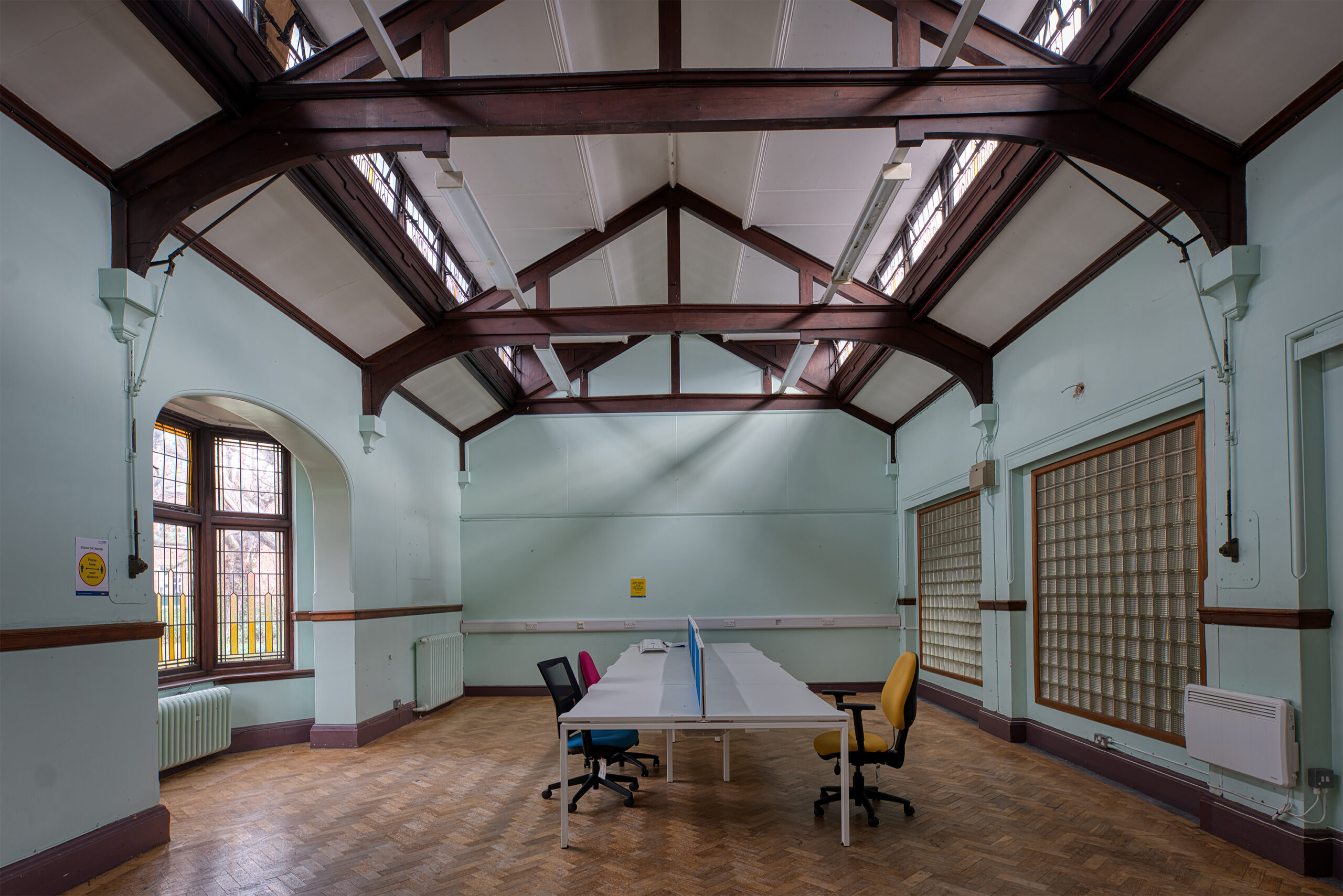
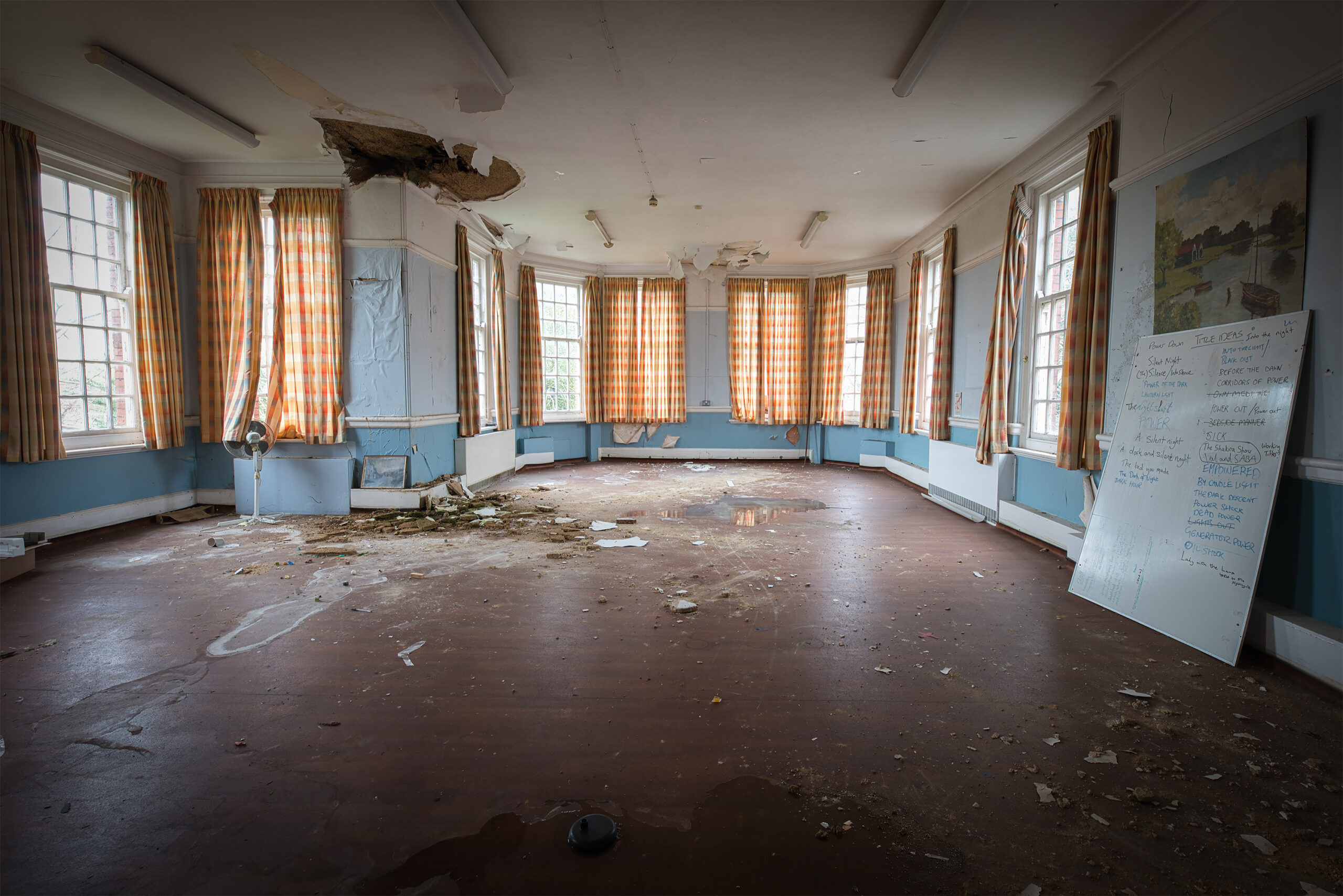
We spent the entire day wandering through the remaining buildings, taking in the architecture and documenting what remains of this once vast institution. Although many areas have been stripped or cleared over the years, there is still plenty left to see.
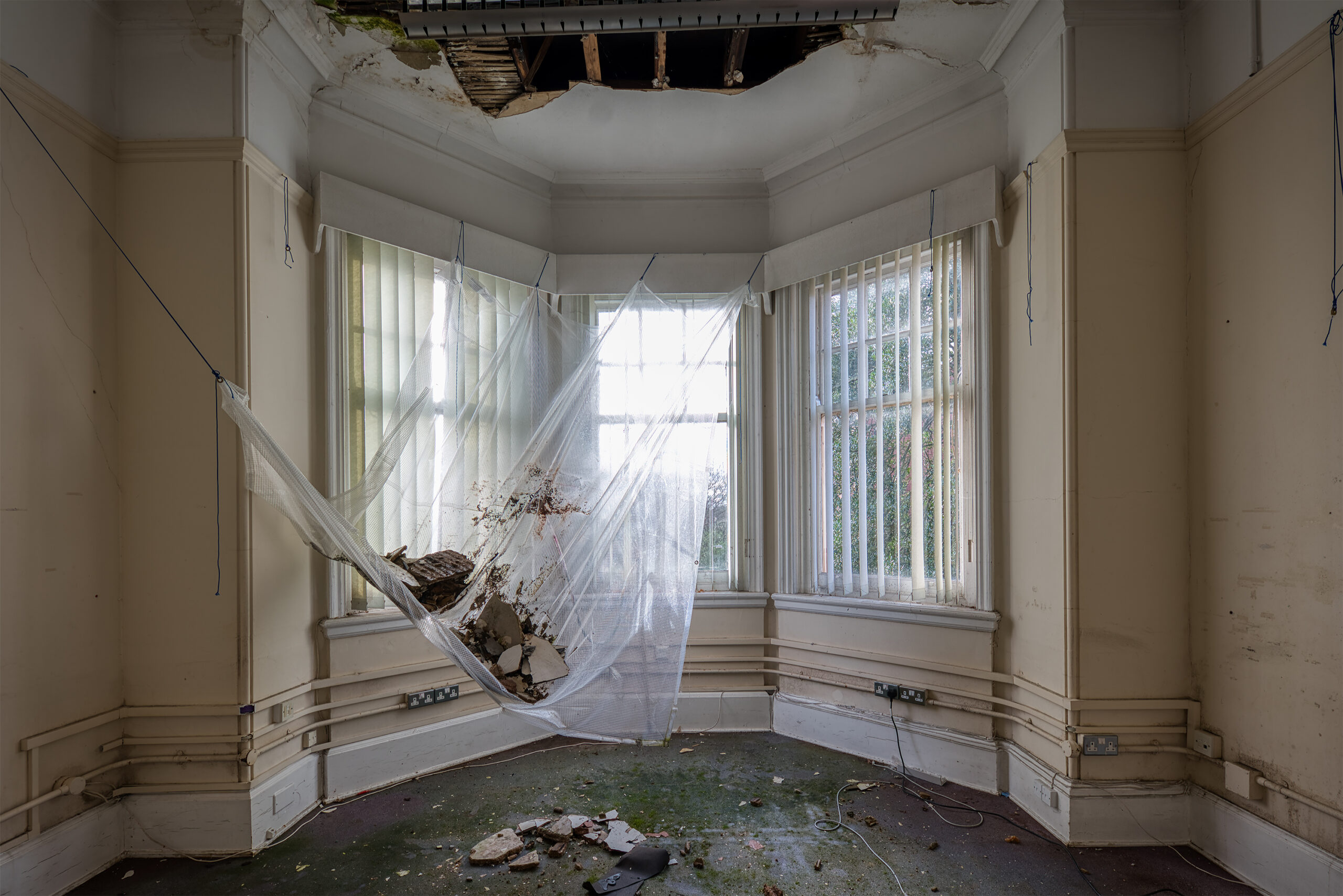
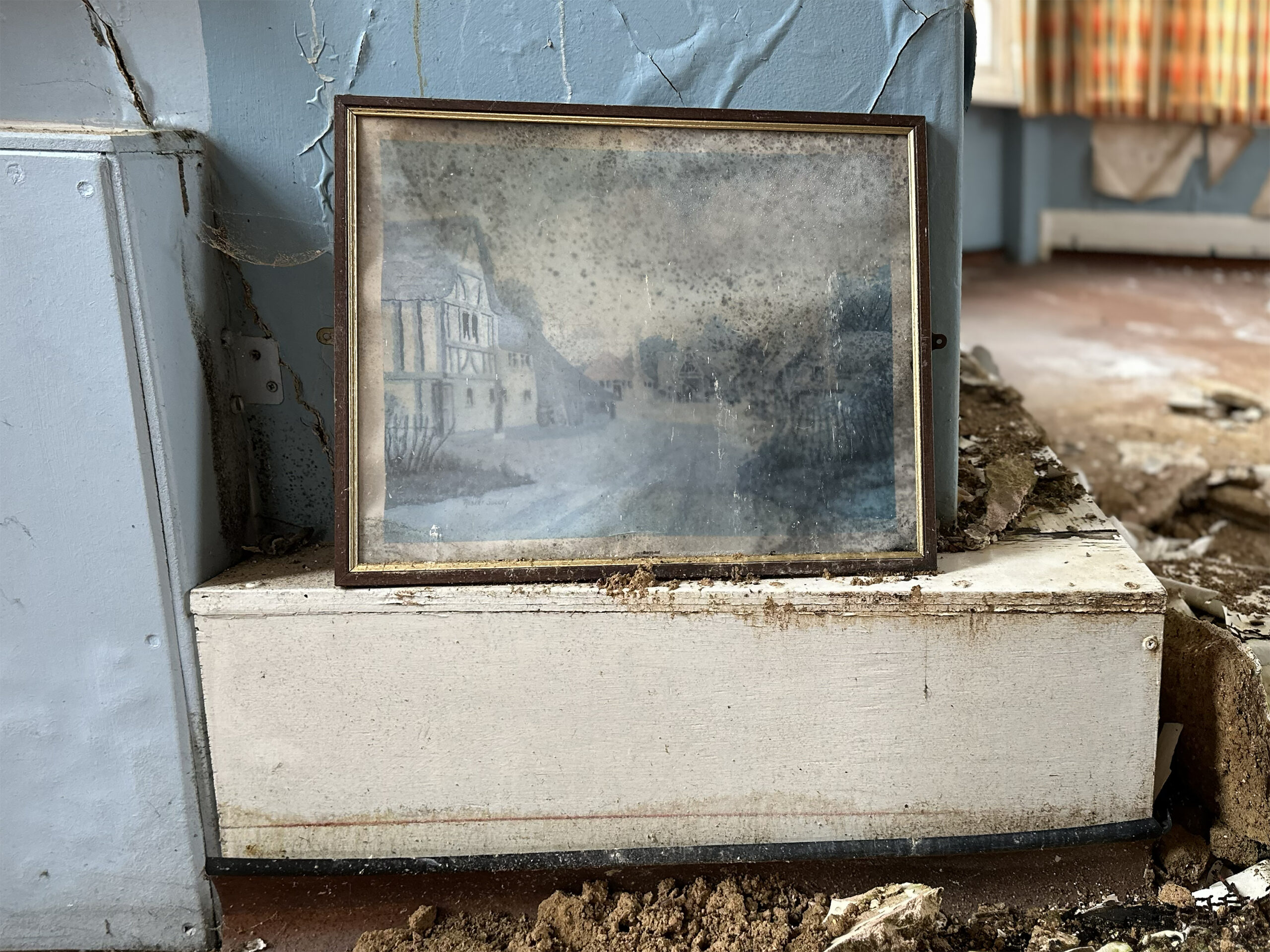
The decay throughout the site is exceptional. Peeling paint hangs from walls and ceilings, creating textures and colours that seem almost impossible to recreate artificially.
For photographers, Goodmayes is an absolute dream.
Security and Surveillance
One thing that quickly became apparent was the presence of cameras and sensors throughout parts of the site.
For most of the day, however, nothing seemed to happen. We wandered freely, gradually convincing ourselves that nobody was actually monitoring anything.
As it turned out, that assumption wasn’t entirely correct.
Our first encounter with security came not while entering the hospital, but while attempting to leave through one of the still-operational sections of the wider site. Unsurprisingly, the reception wasn’t particularly warm.
It wouldn’t be an asylum explore without at least one grumpy security guard appearing at the worst possible moment.
What Remains Unexplored?
Perhaps the most intriguing aspect of Goodmayes is how much remains unseen.
Large sections of the west wings appear to remain sealed off, inaccessible, or simply unexplored by those currently visiting the site. Whether these areas contain anything significant remains a mystery, but their existence adds another layer of intrigue to an already fascinating location.
For a site that has been standing for well over a century, there are still secrets hidden behind closed doors.

Final Thoughts
Goodmayes Hospital serves as a reminder of just how quickly Britain’s asylum heritage is disappearing.
Once, these institutions dominated the landscape. Today, most have been demolished, redeveloped or converted into housing. Every year the list grows shorter.
That’s what made this visit feel special.
The combination of Victorian architecture, incredible decay, endless corridors and the knowledge that much of the site may soon disappear creates the sort of explore that becomes increasingly difficult to find.
And with parts of the hospital still apparently waiting to be discovered, I suspect this may not be my last visit to Goodmayes.